.svg)
Subscribe to our newsletter and get insights on how to grow your personal brand.
Thank you! Your submission has been received!
Oops! Something went wrong while submitting the form.
.svg)



Stop chasing likes. Start building a legacy.
Most thought leadership advice is shallow. It tells you to post more, chase followers, and stay “visible” without ever asking the only question that matters. Is your content becoming a business asset, or are you just feeding platforms for free? A real personal brand doesn't exist to impress strangers. It exists to shape reputation, attract the right opportunities, and compound trust over time.
The market already tells us what matters. Decision-makers use thought leadership to evaluate businesses, and many are willing to choose, and even pay more for, brands that communicate a clear point of view through useful expertise, according to Attorney at Work's summary of Edelman-LinkedIn findings. That means your content isn't a side project. It's part of how buyers qualify you before a call ever happens.
So stop treating thought leadership like a content treadmill. Treat it like reputation infrastructure.
If you want to craft a winning content strategy, build a system that turns your knowledge into durable authority. That's the shift. You're not trying to go viral. You're trying to become the person people remember, trust, cite, invite, and buy from.
These 10 thought leadership best practices work best when you use them together. Not as random tactics. As one integrated strategy for building a personal legacy that outlasts the algorithm.
Consistency beats intensity. One brilliant post every few months won't build authority. A reliable cadence will.
People trust experts they encounter repeatedly in useful contexts. That means you need a publishing rhythm your audience can feel. Weekly articles, recurring LinkedIn posts, a monthly email, regular short videos, and scheduled repurposing are enough to create momentum if you maintain the cadence.
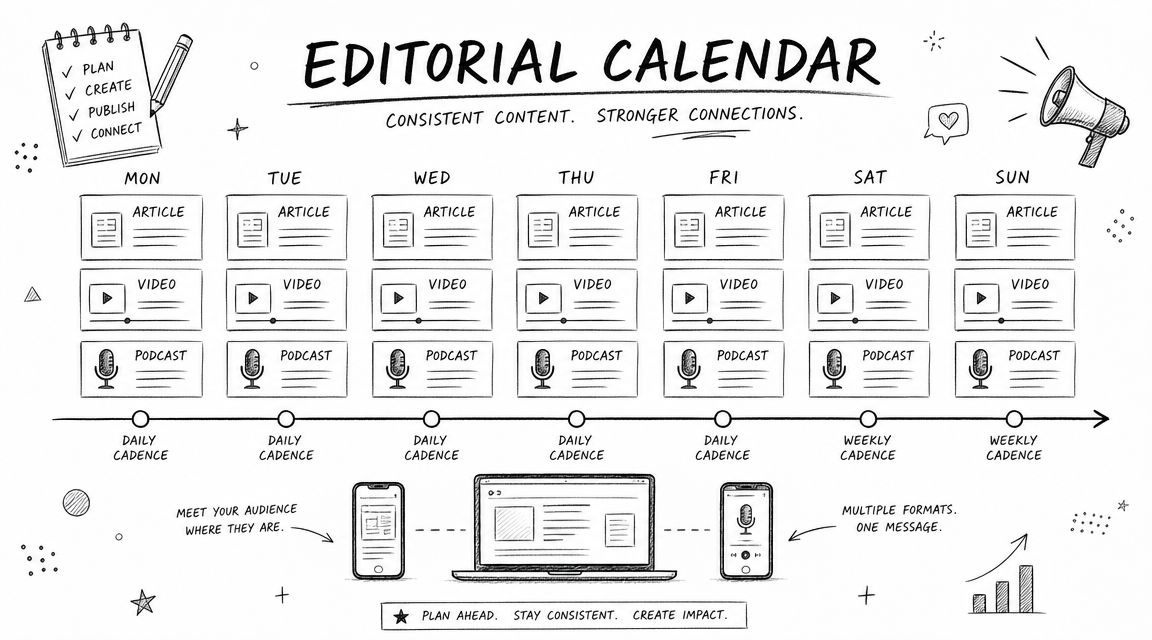
Seth Godin built authority through daily blogging. Gary Vaynerchuk became unavoidable by turning one idea into many assets across multiple channels. Satya Nadella uses regular leadership communication to reinforce strategic clarity, not just visibility. Different styles, same principle. Repetition builds recognition.
Don't rely on inspiration. Use process.
Practical rule: Publish less than you want, but more consistently than your competitors.
A common failure point is content creation without distribution. Use owned channels first, then syndicate intelligently. If you need a better system for reach, study Outrank's content distribution insights. Visibility isn't luck. It's operational discipline.
Generic expertise is forgettable. Personal truth is not.
Your audience doesn't need another polished executive voice saying obvious things. They need to understand how you think, what shaped your judgment, what you've seen firsthand, and why your perspective is worth listening to. That's what turns expertise into identity.
Brené Brown didn't build relevance through sterile authority. She built it by connecting ideas to lived experience. Ryan Holiday does the same by tying philosophy to practical decisions and personal reflection. Strong thought leadership always carries a human signature.
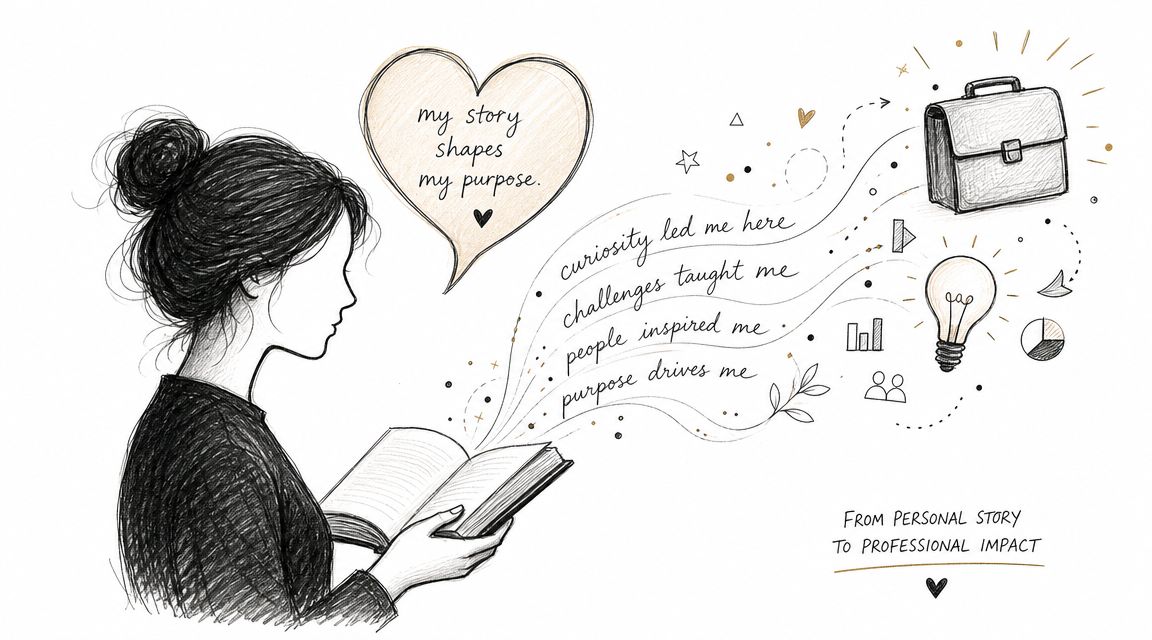
Don't overshare. Extract lessons.
Take a failed hire, a botched product decision, a hard client conversation, or a moment you changed your mind. Then tie that story to a useful principle. The story creates attention. The lesson creates value.
A strong narrative usually includes three parts:
If you want better examples of how narrative builds trust, study these personal narrative writing examples for building your brand.
People don't remember polished positioning. They remember hard-earned insight.
That's how you stop sounding like a content team and start sounding like a leader.
Thought leaders don't grow alone. They grow in conversation with other credible people.
If nobody respected in your field knows you, references you, invites you, or engages with your ideas, your authority has weak foundations. Strategic relationships expand reach, sharpen thinking, and accelerate trust transfer. That's why Tim Ferriss built such a powerful orbit around guest conversations, and why so many respected operators keep showing up in each other's work.
Networking frequently happens backward. The inclination is to ask before contributing. Do the opposite.
Start by becoming valuable to people you want in your circle.
Seth Godin has long reinforced his relevance by referencing and amplifying ideas beyond his own. Huberman Lab gains authority not just from the host, but from the caliber of expert conversation around the host. Your network becomes part of your signal.
Use a simple relationship system. Keep notes on who you've helped, who you should follow up with, and where shared interests exist. If you want a more intentional approach, read this guide to building business relationships that last.
The right relationships don't just expand your audience. They deepen your body of work.
Opinion is cheap. Evidence wins.
If you want to stand above recycled commentary, produce material that others can't copy easily. That means proprietary research, original analysis, internal benchmarks, customer pattern recognition, or first-party observations with clear methodology. This is one of the most important thought leadership best practices because it turns you from a commentator into a source.
The shift is already underway. In iResearch Services' 2025 report, 78% of organizations said they use proprietary research in thought leadership, and 87% of those said it improves content effectiveness. That tells you exactly where authority is moving. Away from generic opinion and toward evidence-led publishing.
You don't need a giant annual report to start. You need a repeatable evidence habit.
Interview customers. Analyze recurring objections from sales calls. Pull trends from your own campaigns. Review support tickets. Compare market messaging across competitors. Then publish what you found, how you found it, and what it means.
Good examples include HubSpot's recurring industry reports, McKinsey's sector analysis, and Buffer's state-of-the-industry style publishing. The format matters less than the defensibility of the insight.
Evidence rule: If an insight could have been written by anyone, it won't strengthen your authority much.
Research-backed content gets quoted, shared in meetings, and reused across formats. That's the kind of content that compounds.
Short posts get attention. Long-form content builds an asset.
If your ideas only work in 200 words, they are not strong enough to shape a market or outlast an algorithm change. Real authority shows up in work that can carry an argument from premise to proof to application. That is why books, white papers, detailed essays, playbooks, and research-backed newsletters still matter. They turn expertise into something buyers, partners, and teams can return to, cite, and use.
James Clear did not build lasting authority on short social posts alone. His ideas gained staying power because they held up inside a full framework. Eric Ries did the same with The Lean Startup. Long-form content gives your thinking structure, language, and shelf life.
Treat long-form publishing as a system. Each major asset should strengthen your reputation, support sales conversations, and add to the body of work people associate with your name. That is how thought leadership becomes a legacy play instead of a vanity project.
Pick two or three themes you want to own for the next three to five years. Then create one substantial asset for each. A founder might publish an operating memo on category positioning. A consultant might produce an annual industry playbook. A SaaS leader might write a field guide drawn from implementation mistakes and wins across clients.
Use a clear build order:
That last step gets skipped too often. Do not stop at insight. Teach execution.
Long-form content also maximizes its utility across channels without becoming repetitive. One serious article can fuel a webinar, a client briefing, a podcast pitch, a conference proposal, and a founder memo. If you plan to turn your written ideas into stage visibility, this guide on how to get speaking opportunities will help you make that jump with intention. If events are part of your authority strategy, practical planning matters too, especially when you are maximizing your ROI at Step Conference.
Write for durability. Publish work people save, share internally, and revisit six months later. That is how you build a body of expertise that compounds into a real business asset and a personal legacy.
A strong stage does two things fast. It transfers credibility and expands reach.
Speaking works because people hear your thinking in your own voice. That matters. Panels, webinars, keynotes, podcasts, and industry briefings let prospects assess your clarity, confidence, and command in real time. Written content builds the archive. Speaking builds the impression.
Use event strategy, not random exposure. Target rooms where your buyers, partners, and referral sources already gather.
Here's a useful talk on communication and ideas:
Don't create a new talk from scratch every time. Build a signature presentation with a distinct point of view, then adapt it by audience.
Simon Sinek became associated with a memorable framework in part because he delivered it repeatedly. Founders who speak well at focused industry events often earn better opportunities afterward, including podcasts, media requests, and direct inbound. If you're trying to build that capability, this guide on how to get speaking opportunities is a practical starting point.
After the event, keep working the asset.
If you're planning specific event visibility, this piece on maximizing your ROI at Step Conference is a useful example of approaching conferences strategically instead of casually.
Don't build your whole authority on rented land.
A serious thought leader shows up in more than one place, but not by copying and pasting the same post everywhere. LinkedIn wants professional perspective. YouTube rewards depth and retention. Email rewards intimacy. Podcasts reward clarity and stamina. Platform-native content performs better because it respects user behavior.
This also protects your reputation from platform volatility. If one channel declines, your authority doesn't disappear with it.
Take one core insight and rebuild it for each channel.
A founder might publish a long LinkedIn post about a hiring mistake, record a short video explaining the lesson, discuss it in a newsletter with more detail, and turn it into a podcast segment with examples. Same idea. Different execution.
Fast Company's 2025 guidance is especially relevant here. It argues that leaders should use AI as a thought partner, publish original data, and package ideas into repeatable frameworks while preserving an editorial, soft-sell tone and the real voice of the thought leader. That's exactly right. AI can help shape material, but it can't replace lived judgment.
Choose a few platforms and commit. Don't spread yourself thin. Depth of presence beats shallow ubiquity.
Audience size matters less than audience response.
A small group of engaged readers, listeners, clients, and peers will create more long-term value than a large passive following. Community turns attention into retention. It gives you feedback, language, referrals, proof of resonance, and a group that carries your ideas further than you could alone.
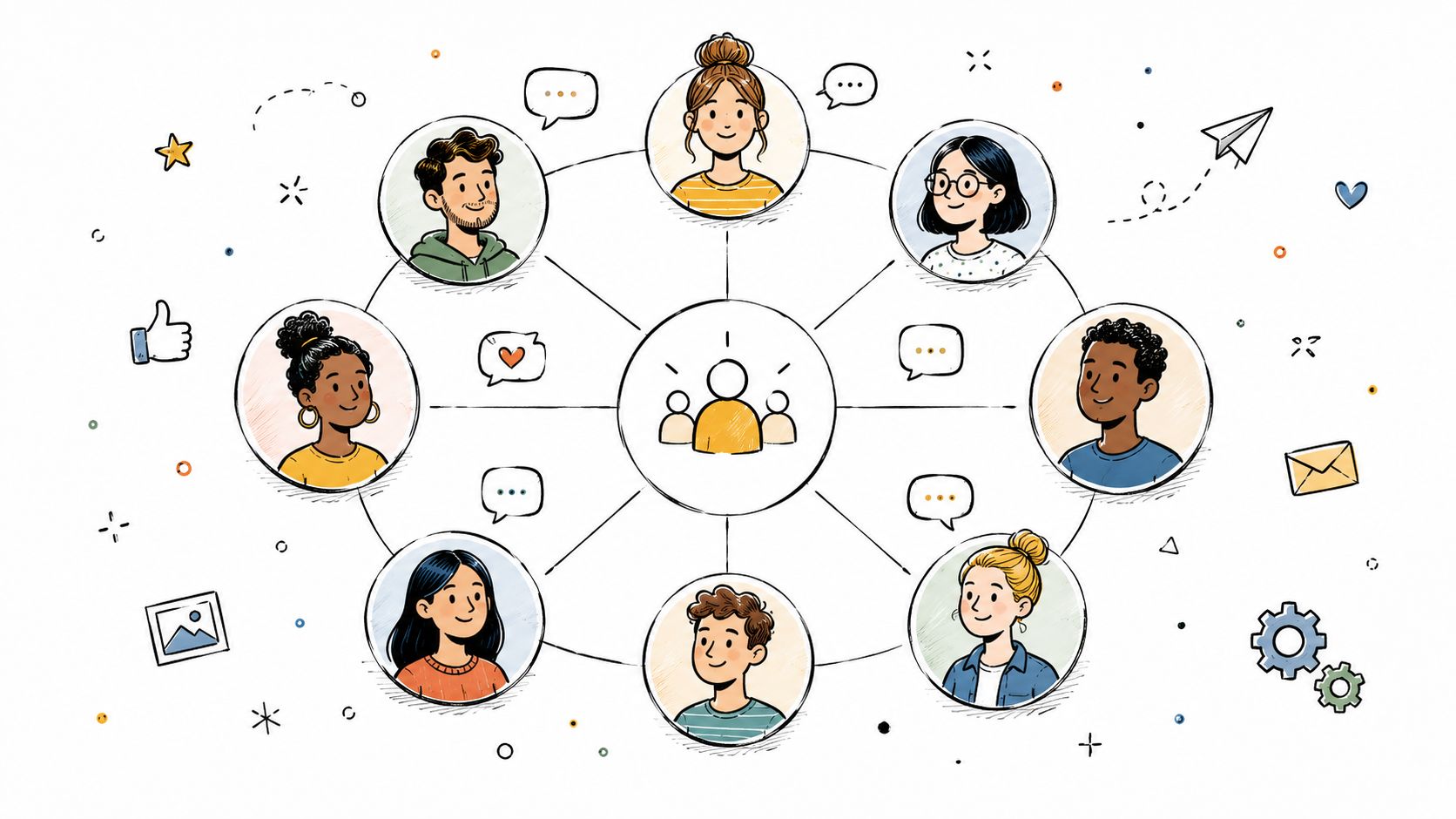
Tim Ferriss built more than content distribution. He built an audience that interacts with the material, shares it, and returns for more. James Clear's community around Atomic Habits works the same way. The content starts the relationship. Ongoing engagement deepens it.
Reply to serious comments. Ask better questions. Host live sessions. Invite audience stories. Feature smart responses in future posts. Build places where people can interact with the ideas and with each other.
Useful community formats include:
A loyal community tells you what to write next, what to refine, and what your market actually cares about.
That makes your content sharper and your authority more resilient.
Social attention fades fast. Search keeps working.
If you want thought leadership to become a business asset, your ideas need to be discoverable months and years after you publish them. That is what SEO does. It turns strong thinking into a durable pipeline of inbound attention from people already searching for answers.
Treat SEO as editorial strategy, not technical cleanup at the end. Start with the questions buyers ask before they are ready to buy. Then publish the best answer on the internet for each one. Cover the definition, the stakes, the mistakes, the alternatives, and the next step. Weak surface-level posts do not build authority. They bury it.
Use a pillar-and-cluster model with clear intent behind each piece. Publish one authoritative page on a core topic. Support it with focused articles that handle related questions, objections, examples, and use cases. Connect those pages with internal links, tighten the structure, and update them as your thinking sharpens.
This is how thought leadership starts compounding. One article might earn a click. A connected library earns trust.
The best operators measure search the same way they measure any serious growth channel. They audit old content, improve pages that already have traction, and track whether discovery leads to qualified attention instead of empty traffic. That approach fits the Legacy Builder philosophy. You are not chasing rankings for vanity. You are building an owned body of work that keeps introducing the right people to your ideas.
Neil Patel, Ahrefs, Backlinko, and HubSpot have all built organic reach on the same foundation. Depth, relevance, structure, and consistency. Follow that model. Publish for real queries. Write with authority. Refresh what matters. Make your expertise easy to find and hard to ignore.
The strongest thought leaders don't just join conversations. They define them.
If you sound like everyone else in your market, buyers will compare you on convenience, price, or familiarity. If you create language, frameworks, and distinctions that shape how people think, you become harder to replace. That's how a personal brand turns into a lasting intellectual asset.
Simon Sinek is associated with “Start With Why.” Clayton Christensen became synonymous with disruptive innovation. Brené Brown owns a powerful territory around vulnerability. Their success didn't come from posting more often than everyone else. It came from naming ideas people could use.
Thought leadership transforms into legacy.
Start by identifying a gap in the way your industry explains a problem. Then build a clear model around your view. Name the stages. Clarify the tradeoffs. Create memorable terms. Turn the framework into slides, articles, talks, diagrams, and client conversations until the market starts using your language back to you.
Rattleback offers a practical filter for choosing the right thought leadership territory. It recommends a client-needs audit, mapping internal subject-matter experts, and intersecting expertise with client priorities. That's smart because relevance matters more than ego. Also, not every expert should become a public thought leader. Some people have depth but not the communication ability or desire to do this well.
B2B companies are already investing accordingly. DSMN8 reports that B2B marketers increased thought leadership budgets by 53% in 2024, and 66% of marketers say thought leadership is effective for building trust and influence. The firms that win won't be the loudest. They'll be the clearest, most original, and most consistent.
| Approach | 🔄 Implementation Complexity | ⚡ Resource Requirements | 📊 Expected Outcomes | 💡 Ideal Use Cases | ⭐ Key Advantages |
|---|---|---|---|---|---|
| Consistent Content Publishing and Distribution | Medium 🔄, editorial processes & workflows | Medium–High ⚡, ongoing creation, scheduling tools or agency | Steady visibility, audience growth, algorithmic favor 📊 | Regular brand-building and multi-platform presence | Predictable reach; compounding content value ⭐ |
| Authentic Storytelling and Personal Narrative | Low–Medium 🔄, craft voice and boundaries | Low–Medium ⚡, personal time, editing support | High engagement, stronger trust and memorability 📊 | Humanizing experts; differentiating in crowded markets | Emotional resonance; loyal communities ⭐ |
| Strategic Network Building and Relationship Cultivation | High 🔄, ongoing outreach and management | Medium–High ⚡, time, CRM, travel or coordination | Amplified reach via partnerships and social proof 📊 | Rapid audience expansion; collaborative projects | Network effects; reciprocal promotion ⭐ |
| Original Research and Data-Driven Insights | High 🔄, study design, methodology, analysis | High ⚡, budget, research expertise, distribution | Primary-source authority, media coverage, backlinks 📊 | Establishing domain authority; PR-driven thought leadership | Unique, defensible insights; high shareability ⭐ |
| Long-Form Content and Deep Expertise Demonstration | High 🔄, extensive research and structuring | High ⚡, writers, editors, publishing support | Enduring authority; improved SEO and reference traffic 📊 | Positioning as subject-matter expert; premium offerings | Depth and credibility; foundational resources ⭐ |
| Strategic Speaking and Visibility at Industry Events | Medium–High 🔄, pitch development and rehearsal | Medium–High ⚡, travel, prep, PR and media support | Large concentrated reach; media attention and leads 📊 | Brand amplification; networking and content repurposing | High-impact visibility; reusable presentation content ⭐ |
| Multi-Platform Presence with Platform-Native Content | High 🔄, platform-specific strategies & formats | High ⚡, volume, creative adaptation, analytics | Broader reach; reduced reliance on single platform 📊 | Reaching diverse audience segments across channels | Multiple touchpoints; optimized channel performance ⭐ |
| Community Building and Audience Engagement | Medium–High 🔄, moderation, programming, facilitation | Medium–High ⚡, community managers, platform tools | Loyal advocates, organic amplification, feedback loops 📊 | Memberships, product feedback, long-term engagement | Sustained loyalty; improved content through insights ⭐ |
| SEO Optimization and Organic Discovery Strategy | Medium–High 🔄, technical and content coordination | Medium ⚡, SEO tools, specialist time, content updates | Compounding organic traffic; lower long-term acquisition cost 📊 | Long-term discoverability and high-intent lead capture | Sustainable visibility; search authority ⭐ |
| Positioning as a Category Creator or Unique Perspective Provider | High 🔄, framework creation and evangelism | High ⚡, research, marketing, amplification | Distinctive positioning; potential category ownership 📊 | Differentiation in saturated markets; thought leadership breakthroughs | Non-commoditized positioning; high media interest ⭐ |
You don't need more advice. You need a system you'll implement.
That's the core difference between people who become known in their market and people who stay invisible despite having strong ideas. The first group treats thought leadership as a strategic asset. They publish consistently. They tell the truth in a memorable way. They build relationships. They back opinions with evidence. They create long-form assets, show up in real rooms, adapt to multiple platforms, engage a community, build discoverability, and give the market a framework worth repeating.
This only works when the parts connect.
Consistent publishing without clear positioning creates noise. Storytelling without expertise creates attention with no trust. Research without distribution gets ignored. SEO without original thinking blends into the search results. Speaking without a content system fades as soon as the event ends. Community without a strong point of view turns into idle engagement. The value comes from integration.
That's why you should think in terms of legacy, not content output. Legacy means your ideas remain useful when you're not in the room. It means prospects arrive already trusting your judgment. It means peers cite your frameworks. It means your name becomes attached to a category, a methodology, or a way of seeing a problem that others adopt. That's not vanity. That's influence.
Start small, but start with intent. Pick one practice and install it this week. Build a content calendar. Turn a personal story into a lesson. Reach out to three peers with something useful. Interview customers and publish what you learned. Draft a signature talk. Rewrite one article around a clear search intent. Name the framework you've been informally using for years.
Then keep going.
If you want support turning these thought leadership best practices into a repeatable operating system, Legacy Builder is one relevant option. The company focuses on helping professionals turn their stories, insights, and expertise into consistent content and strategic distribution. For busy founders, executives, and operators, that kind of structure can make execution more realistic.
A personal brand becomes a real business asset when you treat it that way. Build something people can find, trust, remember, and act on. That's how authority compounds. That's how opportunities start coming to you. And that's how a reputation turns into a legacy.
If you're ready to build a personal brand with more structure and less guesswork, Legacy Builder helps turn your expertise, story, and point of view into consistent content people remember.


You could – but most in-house teams struggle with the nuance of growing on specific platforms.
We partner with in-house teams all the time to help them grow on X, LI, and Email.
Consider us the special forces unit you call in to get the job done without anyone knowing (for a fraction of what you would pay).
Short answer – yes.
Long answer – yes because of our process.
We start with an in-depth interview that gives us the opportunity to learn more about you, your stories, and your vision.
We take that and craft your content then we ship it to you. You are then able to give us the final sign-off (and any adjustments to nail it 100%) before we schedule for posting.
No problem.
We have helped clients for years or for just a season.
All the content we create is yours and yours alone.
If you want to take it over or work on transitioning we will help ensure you are set up for success.
We want this to be a living breathing brand. We will give you best practices for posting and make sure you are set up to win – so post away.
Subscribe to our newsletter and get insights on how to grow your personal brand.
