.svg)
Subscribe to our newsletter and get insights on how to grow your personal brand.
Thank you! Your submission has been received!
Oops! Something went wrong while submitting the form.
.svg)


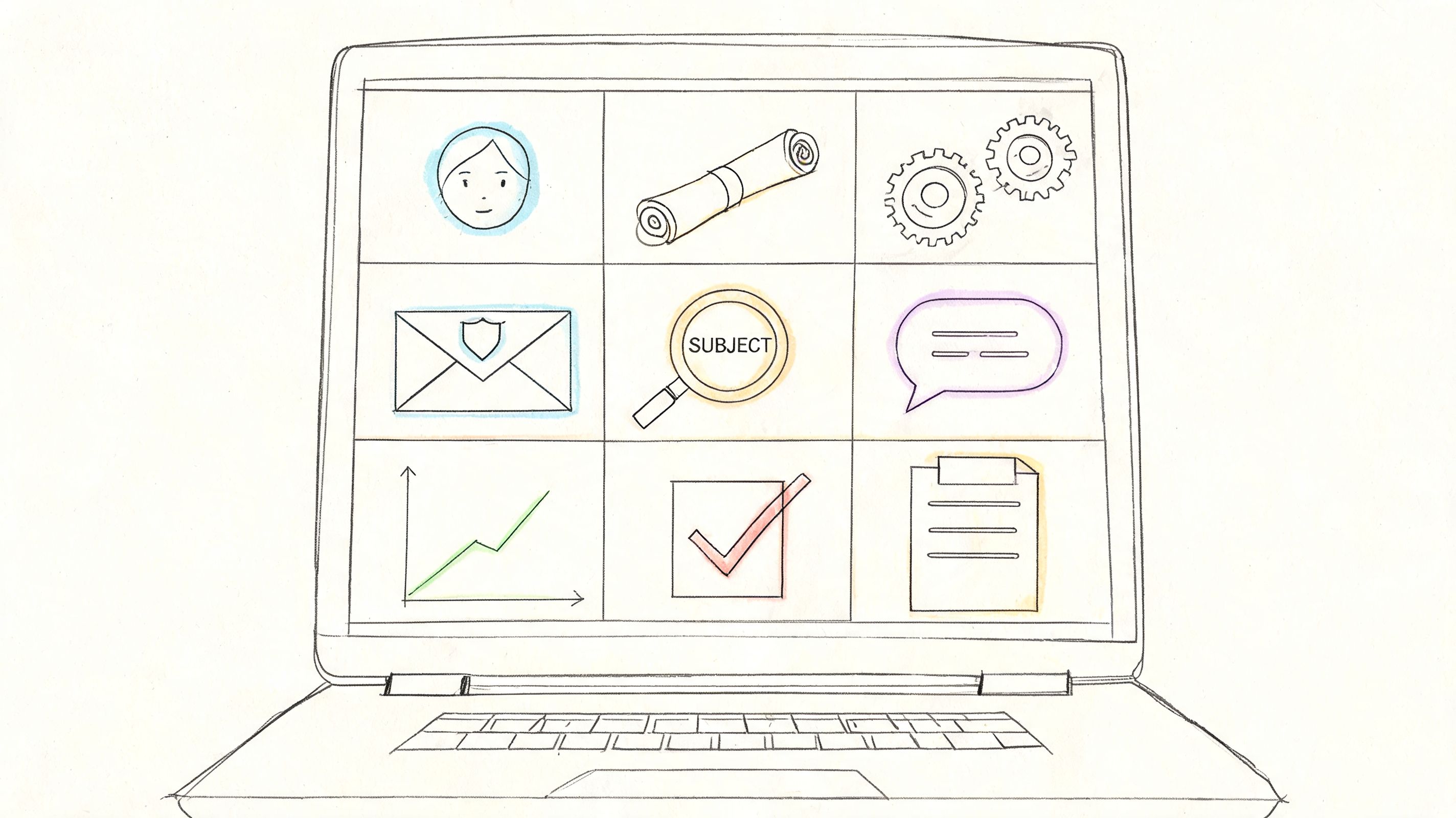
Broadcast-style outreach trains people to ignore you. If your email reads like it could go to anyone, it will matter to no one.
Leaders who build enduring brands use email differently. They use it to start real conversations, show their thinking, and earn trust one message at a time. That shift matters because email gives you something social platforms never will: direct, permission-based access to attention you can keep.
The advantage is not reach. It is relevance. A strong outreach email sounds human, carries a clear point of view, and gives the reader a reason to remember your name after the inbox closes. That is how founders, executives, and creators turn cold contact into reputation.
Analysts at Statista note that email remains one of the most widely used digital communication channels worldwide, which is exactly why weak outreach gets exposed so fast in a crowded inbox. You do not win by sending more noise. You win by sending sharper messages to the right people, then following up with patience and intent.
If you want to sharpen that approach, review these 2025 B2B email marketing strategies, study targeted email strategies for businesses, and build on a clear segmentation foundation with these email segmentation best practices for personal brands.
The ten practices below focus on something generic outreach guides miss. Email is not just a response channel. It is a personal brand asset. Use it to tell better stories, create stronger relationships, and leave people with a clear sense of how you think.
If you send the same message to a startup founder, a corporate executive, and a creator building a personal brand, you’re telling all three you don’t understand them.
Segmentation fixes that. It forces you to match the message to the reader’s world. A founder wants speed and advantage. A CEO wants signal and strategic relevance. An entrepreneur growing a network often wants credibility, partnerships, and thoughtful connection. Strong email outreach best practices start with knowing who should receive what.

Don’t overbuild this. Start with a few clear groups and write to each one differently. If you need a framework, study these email segmentation best practices for personal brands.
A practical structure looks like this:
Behavioral segmentation is even stronger. In 2026 email data, behavioral hyper-segmentation generated 760% more revenue than broadcasts, while segmented sends outperformed non-segmented sends on engagement metrics. You don’t need enterprise software to act on that. You need discipline.
Practical rule: If two audience groups would respond to different pain points, they deserve different emails.
HubSpot, LinkedIn, and Neil Patel all win because they don’t treat their audiences like one blob. You shouldn’t either. If someone joined after reading your leadership content, don’t hit them with the same pitch you send a SaaS prospect asking for a meeting.
For more tactical ideas on slicing your list, review these targeted email strategies for businesses. Then make segmentation serve your brand. Relevance is what makes your email feel personal before the first line is even read.
Bad subject lines don’t just hurt open rates. They make you look forgettable.
If email outreach is part of your personal brand, the subject line cannot read like recycled sales sludge. “Quick question,” “Following up,” and “Checking in” signal low effort. Leaders who want to be remembered write subject lines that prove they noticed something real and have a reason to reach out.
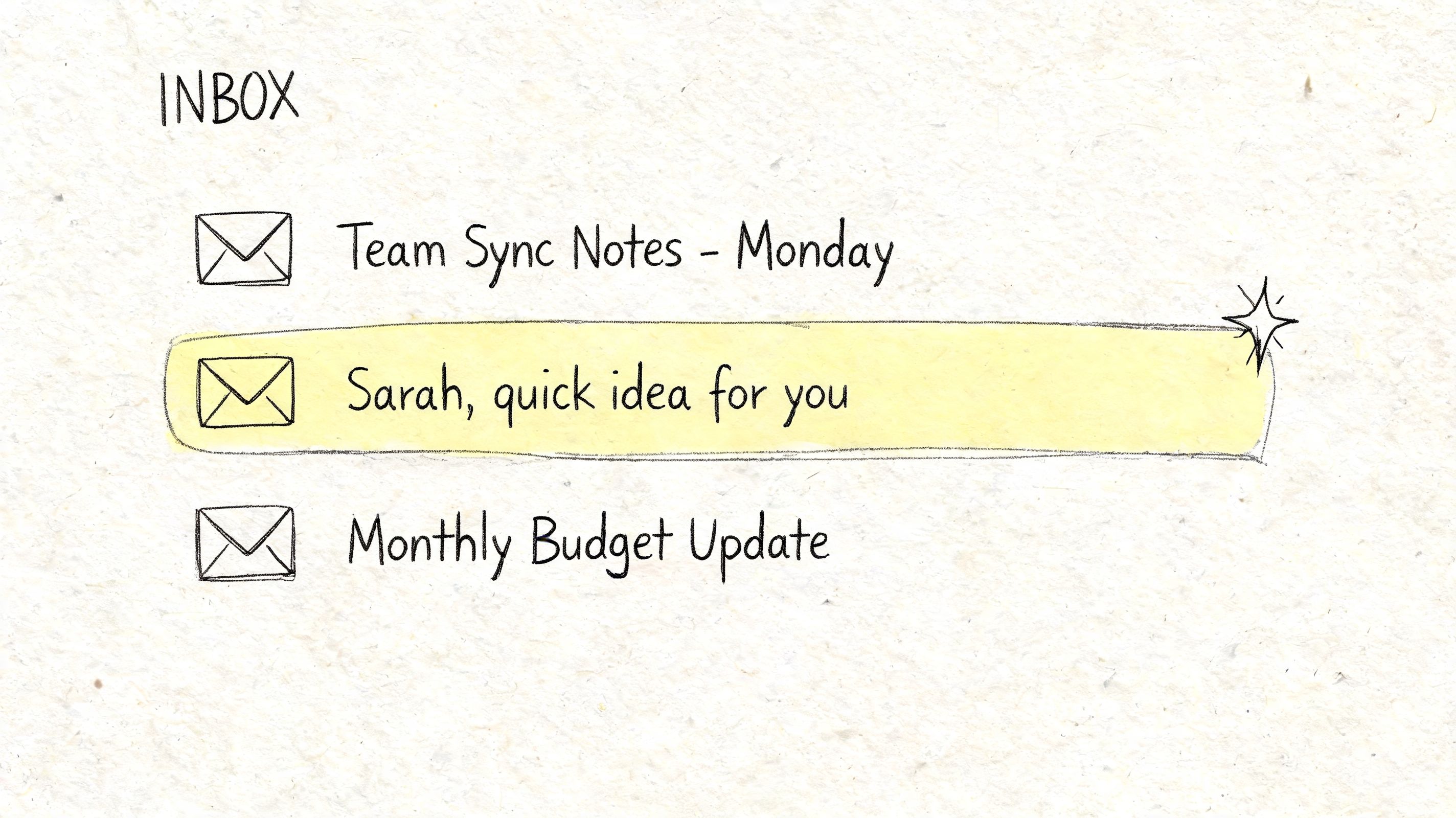
Personalization only works when it reflects genuine relevance. If the subject uses someone’s name but the email could have gone to anyone, you’ve damaged trust before the first sentence.
Use context the reader will recognize immediately:
Short subject lines usually win because they are easier to scan on mobile and easier to understand in one glance. Personalization helps for the same reason. It reduces ambiguity. The reader knows why this email is for them.
Examples that fit relationship-led, brand-building outreach:
For stronger models, review these email subject line examples to boost your open rates.
Relevance earns the open. Curiosity only works after relevance is established.
This matters beyond performance. The subject line is often your first brand impression. A sharp one signals judgment, care, and credibility. A vague one signals volume.
Gary Vaynerchuk gets attention with clear value framing because people expect substance behind it. Shopify-style personalization works because the message usually ties to a visible action or business context. Copying the format without the substance is a mistake. Using someone’s name as bait and following with generic copy makes your brand feel smaller, not stronger.
Keep this standard. If the recipient can understand why you emailed them from the subject line alone, you’re on the right track. If the line could be pasted into 500 inboxes unchanged, rewrite it.
Transactional outreach gets ignored. Brand-building outreach gets remembered.
If every email starts with your request, people learn your pattern fast. You show up, take attention, ask for time, and disappear. That does not build trust. It trains recipients to see your name as another demand in the inbox.
Useful emails do something different. They give the reader a sharper way to see their own business, audience, or positioning before you ask for anything in return. That is how email stops being a prospecting tactic and starts becoming a reputation asset.
Lead with something specific and earned. Share an observation from their market. Point out a missed messaging angle. Tell a short story from your own work that reveals a useful lesson. The email should stand on its own even if the recipient never replies.
Research from HubSpot found that personalized calls to action convert better than generic ones, which supports a broader truth. Relevance improves response because the reader can see that your message was meant for them, not blasted to a list.
A simple structure works well:
This is not about sounding smart. It is about being useful in a way that reflects your standards.
Seth Godin has done this for years. His emails carry a clear point of view. Tim Ferriss often sends ideas that are worth reading even if you never buy anything. That is the model to copy. Substance first. Request second.
Founders and operators remember people who improve their thinking. They forget people who ask for a call with no context.
A weak email says, “Can we hop on a quick call?” A strong email says, “Your recent launch signals one audience, but your homepage copy speaks to another. Here’s the gap I see, and here’s how I’d fix it.” That kind of outreach does more than start a conversation. It shows judgment. It signals taste. It makes your name mean something.
Use this sequence:
If you advise executives on visibility, send a better framing for a thought leadership post they could publish this week. If you help founders refine positioning, point out where their public story is underselling their category authority. If you want the meeting, earn it by proving the meeting will be productive.
And if you are testing outreach variables beyond message quality, timing still matters. This guide covers that in the next section, and this resource on optimizing cold email send times is a useful reference.
That is the standard. Every email should leave the reader with a useful idea, a clearer perspective, or a better story to tell. Do that consistently, and your outreach builds more than replies. It builds your brand.
Bad timing makes thoughtful outreach look careless.
If email outreach is part of your personal brand, send time is not a minor setting. It shapes whether your message feels well-placed or intrusive. Leaders who want to build trust should treat timing as part of the reader experience, not just an operations tweak.
Start with your own audience behavior. Review opens, replies, and click patterns by segment. A founder reading email at 6:30 a.m. before investor calls does not behave like a consultant clearing messages after client work. One send window across every audience is lazy, and lazy outreach weakens brand perception.
Use timing with intent:
If you want a practical benchmark to test against your own data, this guide on optimizing cold email send times is a useful reference.
Do not chase a universal "best time." Build your own timing map instead. Check where replies cluster, where open rates hold up, and where response quality is strongest. A fast open that leads to no reply matters less than a later read from someone who answers with real interest.
That distinction matters for brand builders. Transactional senders optimize for clicks. Trusted names optimize for context. When your email consistently arrives at a moment the reader can process it, you earn more than attention. You show judgment, respect, and professionalism.
Good timing will not rescue a weak message. It will give a strong message a fair shot.
A weak welcome series tells people your brand is just another content machine. A strong one proves there is a real person, a clear point of view, and a relationship worth keeping.
That first sequence sets the tone for everything that follows. It tells new subscribers what you stand for, how you think, and why your emails deserve space in a crowded inbox. Founders and operators who treat this like a formality waste one of the few moments when attention is naturally high.
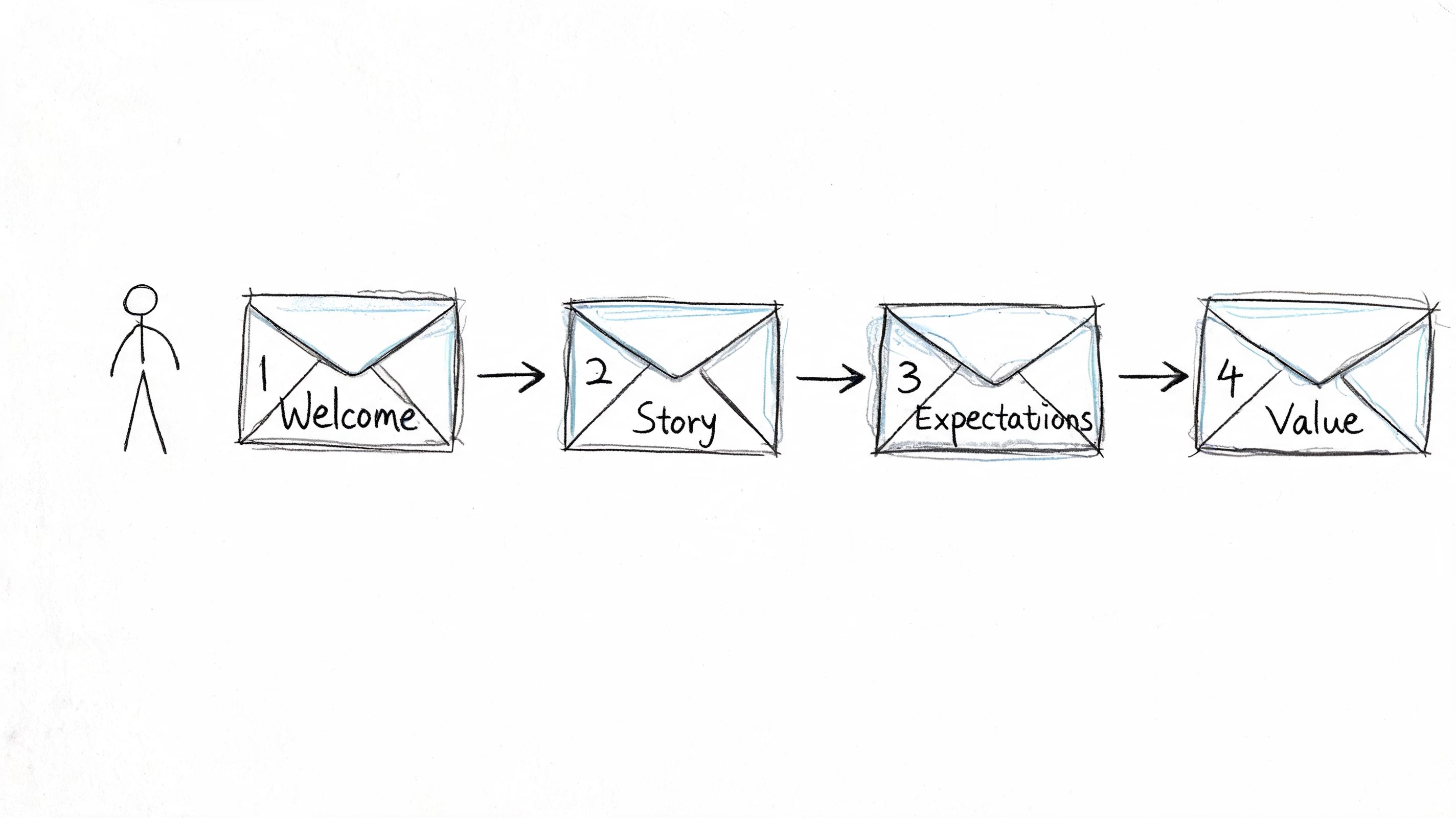
Your welcome series should do four jobs in order. Introduce who you are. Explain the belief behind your work. Give the reader something useful right away. Ask for a small response that starts a two-way relationship.
That sequence matters because brand trust is built early. If the first emails are vague, overproduced, or self-congratulatory, people assume the rest will be too. If the first emails are clear, specific, and human, you earn credibility fast.
A practical structure looks like this:
Keep these emails easy to read on a phone. Short paragraphs, plain formatting, and one clear point per email win here. New subscribers do not need design. They need clarity.
Set expectations with precision. Tell readers how often you email, what kind of insights you send, and what you will not do. If you write to share lessons from building, investing, leading, or creating, say that directly. If you will occasionally make an offer, say that too.
This protects your brand.
The wrong people will opt out early, which is good. The right people will stay because the value exchange is obvious.
Your story belongs in this sequence, but only the part that explains your judgment. Share the moment that changed how you operate. Show the mistake, tension, or hard-earned lesson that gave you your point of view. That is how email outreach stops feeling transactional and starts building a reputation people remember.
Generic welcome emails create generic relationships. Clear ones build trust, signal standards, and start your legacy the right way.
Facts make your case. Stories make people care.
If your outreach sounds like a collection of credentials, frameworks, and polished claims, you’ll come across as competent but forgettable. Personal brands grow when people remember your perspective, and stories are what make that happen.
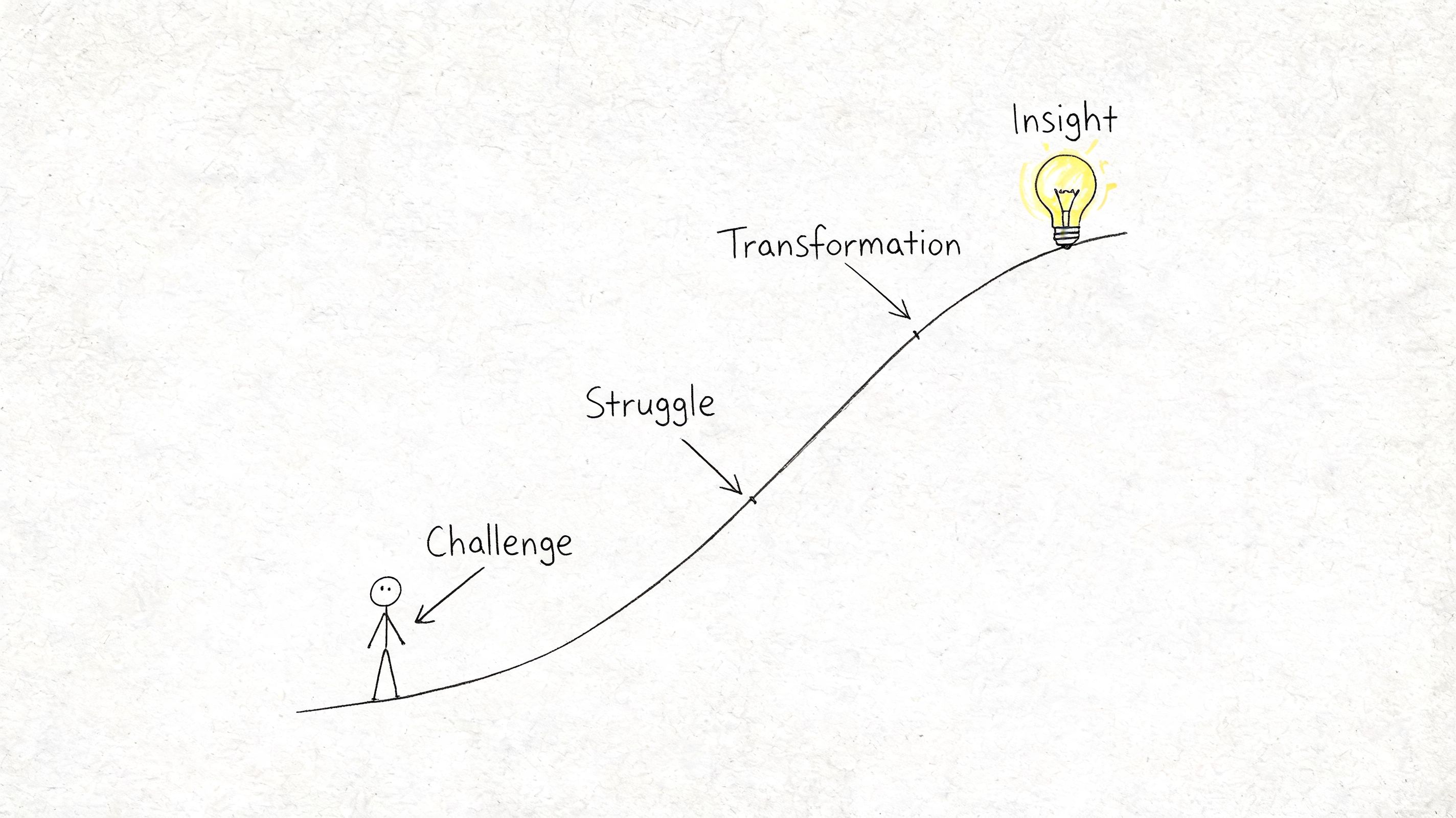
Good brand storytelling isn’t autobiography. It’s evidence of how you think.
Brené Brown built trust through vulnerability and clarity. Ryan Holiday often ties a personal lesson to a broader principle. Alex Hormozi earns attention by explaining failures, not just wins. Those stories work because they show judgment under pressure, not because they’re dramatic.
Your outreach stories should do the same:
There’s also a warning here. Over-personalization can backfire. In a segment-specific personalization angle focused on creators and authenticity-driven professionals, story-referencing variants reached 18% opens for creative pros, while over-personalized outreach failed 40% more often in creative fields. Forced familiarity sounds fake fast.
Tell the story that proves your point. Don’t decorate the email with details that only make you look “personal.”
Tony Robbins, Shaun T, and others built strong audience connection because they consistently tied personal transformation to a lesson the audience could use. That’s the standard.
Founders should do this with restraint. One tight story in an email often outperforms a wall of explanation. Share the lesson from the failed hire, the bad positioning decision, the pivot that clarified your brand, or the conversation that changed your thinking.
People remember stories because stories carry stakes. If you want your email outreach best practices to build authority instead of just response volume, storytelling has to be part of the system.
Weak CTAs don’t make you sound polite. They make you sound unsure.
If your email is part of your personal brand, the close matters as much as the opening. A vague ask trains people to see you as hesitant. A clear ask signals judgment, direction, and respect for the reader’s time. That matters if you want your outreach to build relationships instead of chasing one-off replies.
Each email should ask for one action that fits the goal.
If you want a conversation, ask for a reply. If you want someone to read something, send one link. If you want a meeting, ask for a specific time commitment. The reader should know the next step in seconds, without sorting through multiple options or guessing what you want.
Strong operators do this well:
Specific CTA language also performs better than soft, open-ended phrasing, as noted earlier. “Open to a 15-minute call next week?” gives the reader a real choice. “Would love to connect sometime” gives them homework.
Your CTA should reflect how much trust you’ve earned.
Cold outreach should ask for low-friction engagement. Warm contacts can handle a clearer invitation. Subscribers and long-term readers will often respond well to prompts that invite reflection, feedback, or a direct conversation because the relationship already exists.
Use the ask that fits:
Brand and conversion meet here. A good CTA does more than get a response. It shows how you lead. Clear founders make clear asks. And clear asks build the kind of reputation that lasts.
Founders often treat email like a campaign. That is the mistake. Email is a reputation channel.
If you send three emails in one week, then vanish for a month, you do not look busy. You look unreliable. Your audience stops seeing your name as familiar and starts seeing it as noise. Consistent cadence keeps the relationship warm and turns your emails into an expected part of your reader’s week.
Pick a schedule you can keep without slipping into filler. Weekly works for many founder-led brands because it gives you enough repetition to stay memorable and enough space to say something worth reading. Biweekly is fine if your ideas are strong and your audience is narrower. Daily only works when your point of view is sharp and your standards are high.
The rule is simple. Do not promise a rhythm your team cannot maintain.
Reliable send frequency also makes your personal brand stronger because people start to associate your name with a specific kind of value delivered on a specific schedule. That matters more than short bursts of activity across channels. Steady contact builds memory. Memory builds trust. Trust gives your next message a better chance of getting read.
If you want a better framework for measuring whether your cadence is helping or hurting performance, review these email campaign performance metrics to master in 2026.
Do not rely on inspiration. Build a repeatable process. Keep a running document of stories, client questions, lessons from sales calls, and sharp observations from your week. Batch drafts. Schedule sends. Review the calendar before gaps appear.
Authentic outreach separates itself from transactional outreach. Transactional senders email when they need something. Strong personal brands email when they have something worth contributing, and they do it on a rhythm people can trust.
Make that rhythm visible. If your welcome sequence says readers will hear from you every Tuesday, send every Tuesday. If your outreach process includes follow-ups, space them with intention and keep the tone consistent from message to message. Predictability signals professionalism.
A strong brand shows up when it said it would.
Email metrics are not a reporting exercise. They are a reputation check on your message, your targeting, and your brand.
Founders who treat outreach like a volume game miss the point. If people ignore your emails, you are not just losing responses. You are training the market to associate your name with noise. If people open, reply, and continue the conversation, your emails start compounding into trust.
Measure performance in layers.
Open rate shows whether your subject line and sender identity earned attention. Reply rate shows whether your message felt relevant enough to start a conversation. Conversion rate shows whether your call to action matched the relationship and the moment.
Use this video if you want a visual walkthrough of what to watch:
If you want a sharper framework for diagnosis, review these email campaign performance metrics to master in 2026.
Do not stare at a dashboard and call that improvement. Make one decision from the numbers every time you review them. Low opens mean your subject line, sender positioning, or list fit is off. Low replies usually point to weak relevance, weak story, or an ask that arrived too early.
A weak campaign is often a distribution problem before it is a copy problem.
If inbox placement is poor, your writing never got a fair shot. Check bounce rates, spam complaints, unsubscribes, and domain health before you rewrite the body copy for the fifth time. Poor list quality and sloppy sending practices damage trust with mailbox providers and with the people you want to reach.
Tools like ConvertKit, Klaviyo, HubSpot, and outbound platforms can help you spot trends. The tool matters less than the habit. Review results on a fixed schedule, test one variable at a time, and document what changed.
Keep a record of what earns attention and replies. Over time, that record becomes more than a performance log. It becomes a map of which stories, insights, and positions strengthen your personal brand with the right audience.
Every campaign should teach you how your market sees you. Use that lesson, or keep repeating the same forgettable email under a different subject line.
One-way outreach is weak branding.
If every email you send is polished, persuasive, and impossible to answer, you are training people to consume you, not know you. Strong personal brands are built in the reply thread. That is where trust gets tested, your ideas get refined, and real relationships start.
A reply request needs a job. “Any thoughts?” is vague and easy to ignore. Ask one concrete question that invites a real answer, such as, “What is the hardest part of turning your expertise into content people trust?” or “What are you still unsure about after reading this?”
That shift matters. Specific questions give people a reason to respond and make you sound like a person who wants a conversation, not a click. Leaders who build lasting reputations use email to hear how their audience thinks, speaks, and struggles. That feedback sharpens both your message and your position in the market.
Keep the ask small. One question. One reply. No survey link unless the relationship is already warm.
Replies are not just engagement. They are raw audience intelligence.
Capture patterns like these:
Paying attention allows founders to gain an edge. Your audience will hand you the language for your next subject line, the tension for your next story, and the positioning for your next offer.
Do not leave good replies buried in your inbox.
Tag them inside your CRM or email platform. Save strong phrases in a swipe file. Review responses weekly and look for repeated themes. Then use those insights in future emails, sales conversations, and content.
Patience matters here. Early reply volume can be uneven, especially if your audience only knows you as a broadcaster. Keep asking good questions, keep refining the prompt, and keep responding like a human. Conversation quality improves through repetition and follow-up, not clever tricks.
A real legacy brand listens in public and in private. Replies prove you mean it.
| Strategy | 🔄 Implementation complexity | ⚡ Resource requirements | 📊 Expected outcomes | 💡 Ideal use cases | ⭐ Key advantages |
|---|---|---|---|---|---|
| Segment Your Email List by Audience and Intent | Medium–High: initial setup + ongoing maintenance | CRM/platform with segmentation, data analyst, time | ↑ opens & CTRs (14–100%), better targeting | Multi-audience personal brands, lead nurturing | Highly relevant messaging; improved conversion |
| Craft Personalized Subject Lines That Encourage Opens | Medium: data + creative testing | Clean name/data fields, copywriter, A/B tests | ↑ opens (~26–50%), reduced spam placement | Campaigns to boost opens or re-engage segments | Immediate personal connection; higher open rates |
| Lead with Value and Insights Before the Ask | Medium: consistent content production | Content creators, editorial calendar, research | Stronger trust & LTV; slower direct conversions | Thought leadership; long-term brand building | Positions you as authority; higher retention |
| Optimize Send Times Based on Audience Behavior Data | Medium: analysis + scheduling | Historical engagement data, platform AI/timezone tools | ↑ opens (~20–30%), better CTRs | Global lists or varied audience schedules | Maximizes visibility; respects audience timing |
| Build an Authentic Welcome Series That Sets Expectations | Medium: sequence design + automation | Copywriting, automation workflows, segmentation | Very high opens (45–70%), better early retention | New subscriber onboarding | First-impression trust; filters ideal subscribers |
| Use Storytelling to Build Emotional Connection and Trust | Medium–High: craft & edit narratives | Time, writing skill, editorial review, safe-guarding | Deeper loyalty, higher shares; memorable messaging | Personal brands needing differentiation | Emotional resonance; stronger brand magnetism |
| Implement Clear Call-to-Action Aligned with Email Purpose | Low: discipline + simple design | Copywriter, designer, basic testing tools | ↑ CTRs (25–50%), clearer funnels | Conversion-focused emails and product launches | Reduces friction; easier measurement |
| Maintain Consistent Email Frequency and Stick to Cadence | Medium: planning & execution | Content batching, scheduling tools, backup content | ↑ engagement (30–40%), improved deliverability | Brands building habitual audience expectations | Predictable results; stronger audience habits |
| Monitor and Act on Email Metrics to Continuously Improve | Medium–High: reporting + testing cadence | Analytics platform, analyst, A/B testing framework | Continuous gains (5–30% per test), better ROI | Scaling programs and performance-driven teams | Data-driven optimization; reduces wasted effort |
| Build Two-Way Conversation Through Reply Requests and Feedback | Medium: process for handling replies | Time for personal replies, systems to capture insights | Stronger relationships; user-generated content | Founders/CEOs who prioritize direct engagement | Real market insight; deeper loyalty and trust |
Email is not a side tactic. It’s not just a sales tool, a newsletter format, or a backup channel in case social media drops your reach. For serious founders, executives, and professionals, email is one of the clearest expressions of personal brand.
Every message tells people who you are. It shows whether you understand their world, whether you respect their time, and whether your ideas are worth attention. That’s why the best email outreach best practices are not mechanical tricks. They’re habits of good leadership. Segment carefully. Write subject lines that feel relevant, not manipulative. Lead with value. Use timing with intention. Welcome people properly. Tell stories that reveal judgment. Ask clearly. Show up consistently. Watch the data. Invite conversation.
Do that repeatedly, and your emails start doing more than generating replies. They build memory. They build trust. They make your name mean something specific.
This matters even more if you’re trying to create a lasting legacy online. A personal brand is not built by sounding polished in public and robotic in private. It’s built when the direct communication matches the public message. If your LinkedIn posts sound thoughtful but your emails sound mass-produced, people notice. If your public brand says authenticity but your outreach is generic, your credibility breaks.
Strong email closes that gap. It lets you scale intimacy without faking it. It gives you a direct channel to clients, peers, collaborators, media contacts, referral partners, and future advocates. It also forces clarity. You learn fast what resonates, what confuses people, and which parts of your story move others to act.
That’s where many busy leaders hit a wall. They know email matters, but they don’t have the time, process, or editorial discipline to keep it sharp. They sit on ideas, send inconsistently, or hand outreach to people who strip the humanity out of it.
That’s a mistake.
If you want your outreach to reflect the quality of your thinking, your email strategy needs the same care as your public-facing content. It needs positioning, storytelling, consistency, feedback loops, and a system that protects your voice while improving performance.
Legacy isn’t built in one viral post. It’s built through consistent, trusted communication. Email is one of the best places to do that work.
If you want help turning your ideas, story, and expertise into an email strategy that sounds like you, Legacy Builder can help. They work with founders, CEOs, and professionals who want more than generic content. They build authentic personal brands through strategic storytelling, consistent content creation, and high-trust audience communication that strengthens your reputation over time.


You could – but most in-house teams struggle with the nuance of growing on specific platforms.
We partner with in-house teams all the time to help them grow on X, LI, and Email.
Consider us the special forces unit you call in to get the job done without anyone knowing (for a fraction of what you would pay).
Short answer – yes.
Long answer – yes because of our process.
We start with an in-depth interview that gives us the opportunity to learn more about you, your stories, and your vision.
We take that and craft your content then we ship it to you. You are then able to give us the final sign-off (and any adjustments to nail it 100%) before we schedule for posting.
No problem.
We have helped clients for years or for just a season.
All the content we create is yours and yours alone.
If you want to take it over or work on transitioning we will help ensure you are set up for success.
We want this to be a living breathing brand. We will give you best practices for posting and make sure you are set up to win – so post away.
Subscribe to our newsletter and get insights on how to grow your personal brand.
