.svg)
Subscribe to our newsletter and get insights on how to grow your personal brand.
Thank you! Your submission has been received!
Oops! Something went wrong while submitting the form.
.svg)


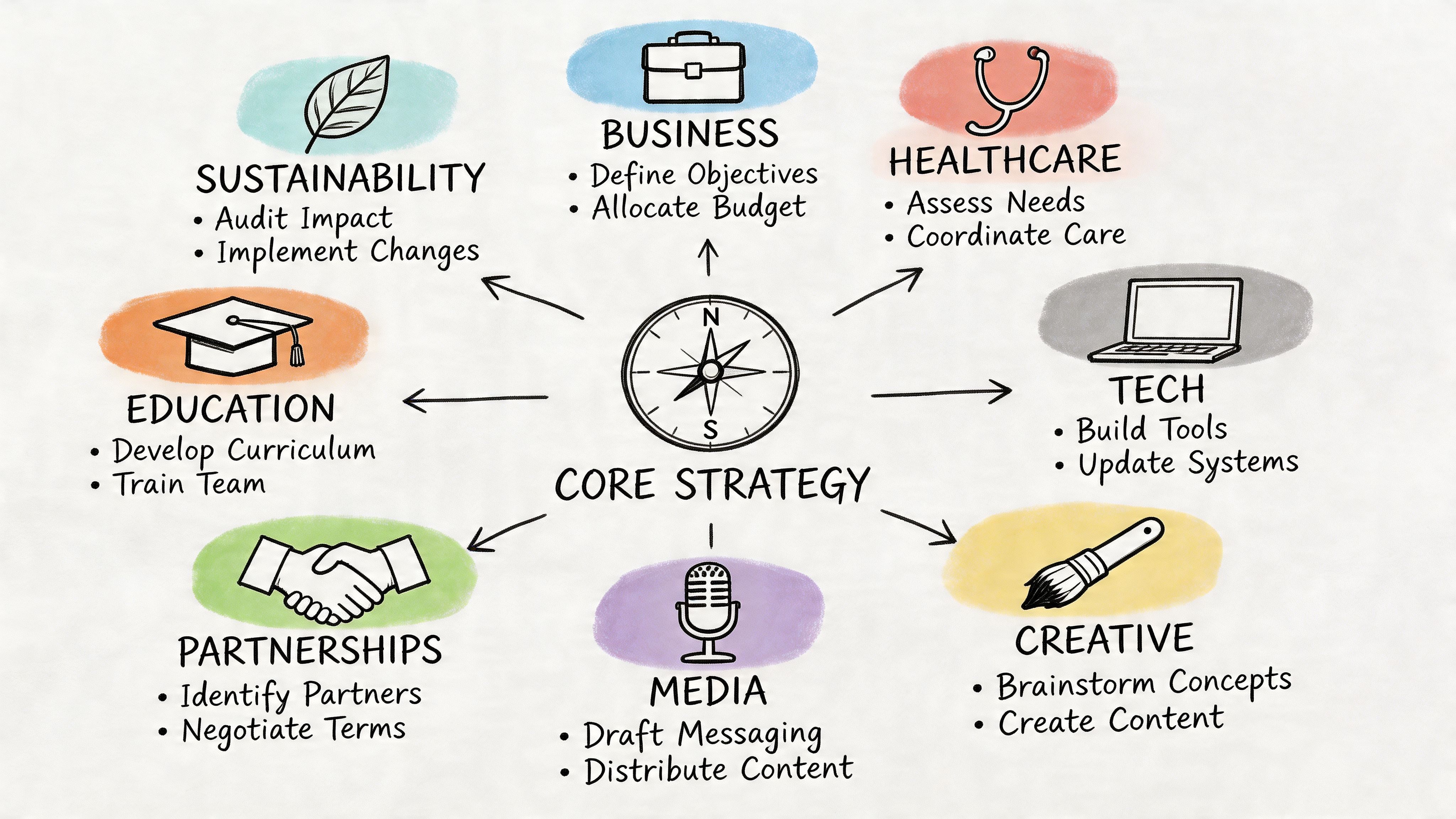
Your mission statement is probably useless.
For a lot of professionals, it becomes a polished sentence about purpose, passion, or impact that never affects a single business decision. It lives in a journal, a retreat worksheet, or an abandoned LinkedIn summary. That is not clarity. It is branding fluff.
A personal mission statement should do real work. It should define who you help, the result you create, and what makes your approach worth following. This three-part structure is effective because it gives you a filter for content, offers, partnerships, and positioning. If your statement cannot guide what you publish and what you refuse, it is not a mission statement. It is decoration.
That is the mistake people make with personal mission statement examples. They read them as inspirational quotes. Smart operators use them as strategic assets. A strong statement sharpens your niche, gives your content a clear theme, and helps your audience understand why you, not someone else, deserve attention. It also pairs naturally with a strong personal value proposition, because your mission explains the direction and your value proposition explains the immediate benefit.
You can see the pattern in famous examples often cited in personal branding conversations. Oprah Winfrey’s statement centers on teaching and inspiration. Malala Yousafzai’s centers on service and education. Different words. Same strategic strength. Each points to a specific audience, a clear outcome, and a public identity that can support years of content and authority-building.
That is how you should evaluate your own statement.
Do not ask whether it sounds meaningful. Ask whether it gives you a repeatable angle for your brand. The eight personal mission statement types below show you which format fits your goals, how each one shapes your public positioning, and how to use the right statement to build authority instead of collecting empty praise.
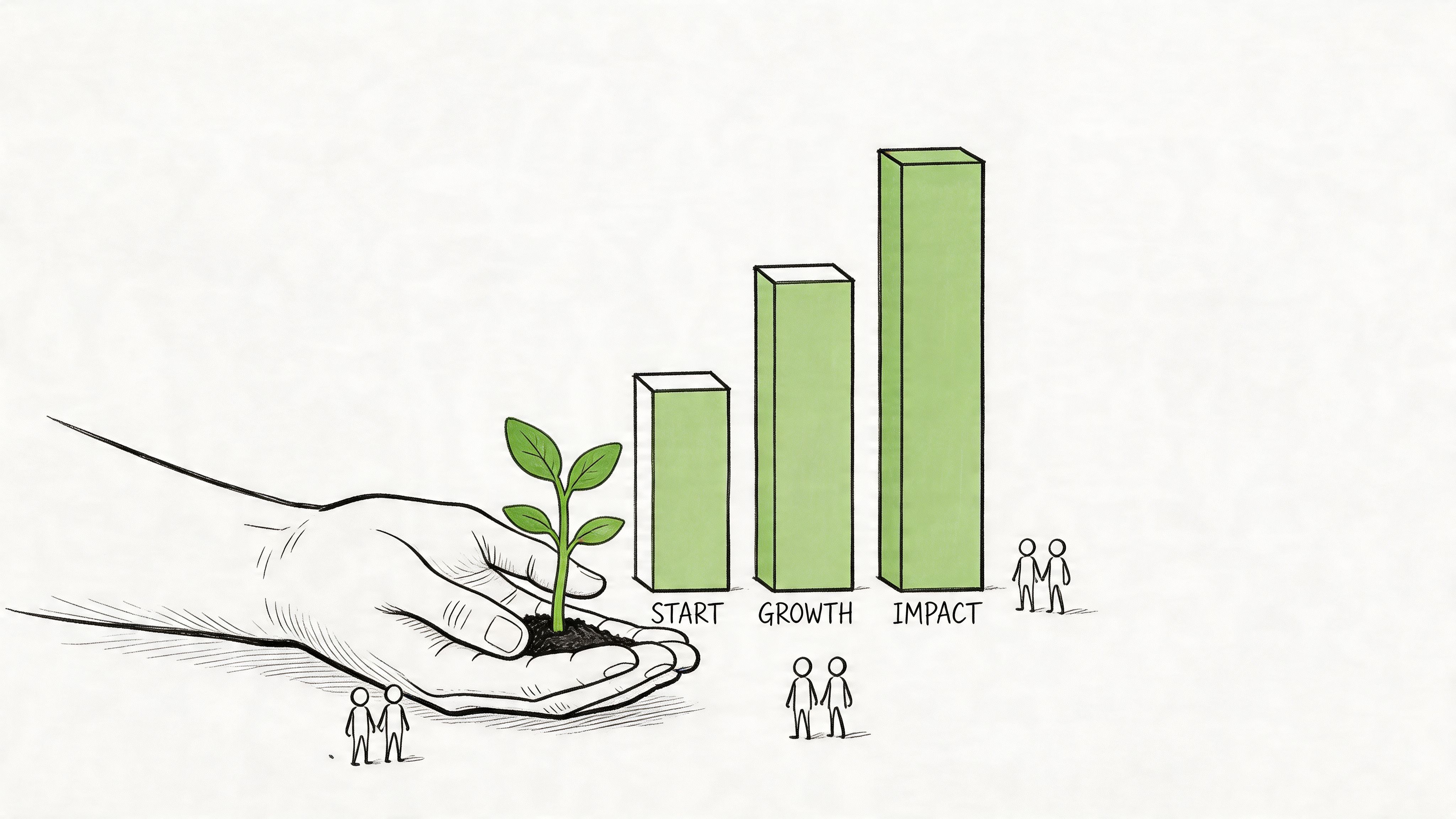
This is the best option for people who want their brand to stand for change, not just visibility. An impact-driven mission statement makes your work about the result you create in the market, community, or industry.
Use it if you want your audience to associate your name with progress. Not hype. Not trends. Progress.
Examples:
Impact-driven statements create better content because they force specificity. You stop posting random opinions and start publishing around a defined change you want to create.
That makes your content sharper. It also makes your offer clearer. If your mission is to transform professional communication, your posts should teach communication. Your newsletter should diagnose communication mistakes. Your service should solve communication problems.
Practical rule: If your mission statement can’t generate a content series, it’s too vague.
A useful benchmark comes from a real professional example. In a Harvard School of Public Health profile, Anna Fretz defined her mission around advocating for inequitably resourced communities, serving and healing individuals and communities, and supporting overall well-being. That statement didn’t stay theoretical. It guided a career pivot during the COVID-19 pandemic and helped shape a research study that reduced social isolation and burnout in her medical school learning community by 35% in pre and post surveys.
If your brand rises or falls on trust, this is your format. A values-based mission statement tells people what principles shape your decisions, your standards, and your voice.
That matters because audiences don’t just follow expertise. They follow consistency. If your values show up across your posts, your offers, and your behavior, people know what they’re buying into.
Examples:
A values-based statement only works if people can see it in action. Saying you value transparency means you explain your process. Saying you value service means your content helps before it sells. Saying you value excellence means your work looks finished, not rushed.
That’s why this format works well for founders, consultants, and executives. It gives your audience a reason to trust your judgment before they ever buy from you.
ClipCreator.ai’s personal branding advice aligns with this practical reality. Strong brands aren’t built by broadcasting personality alone. They’re built by repeating clear principles until the market recognizes what you stand for.
Most weak personal mission statement examples fail here because they stack empty words. Integrity. Excellence. Impact. Innovation. Fine words, dead statement.
Use fewer values and define them through behavior.
Values aren’t your decorations. They’re your operating rules.
If you need help turning broad ideals into a usable statement, start with this personal mission statement template for defining purpose and values.
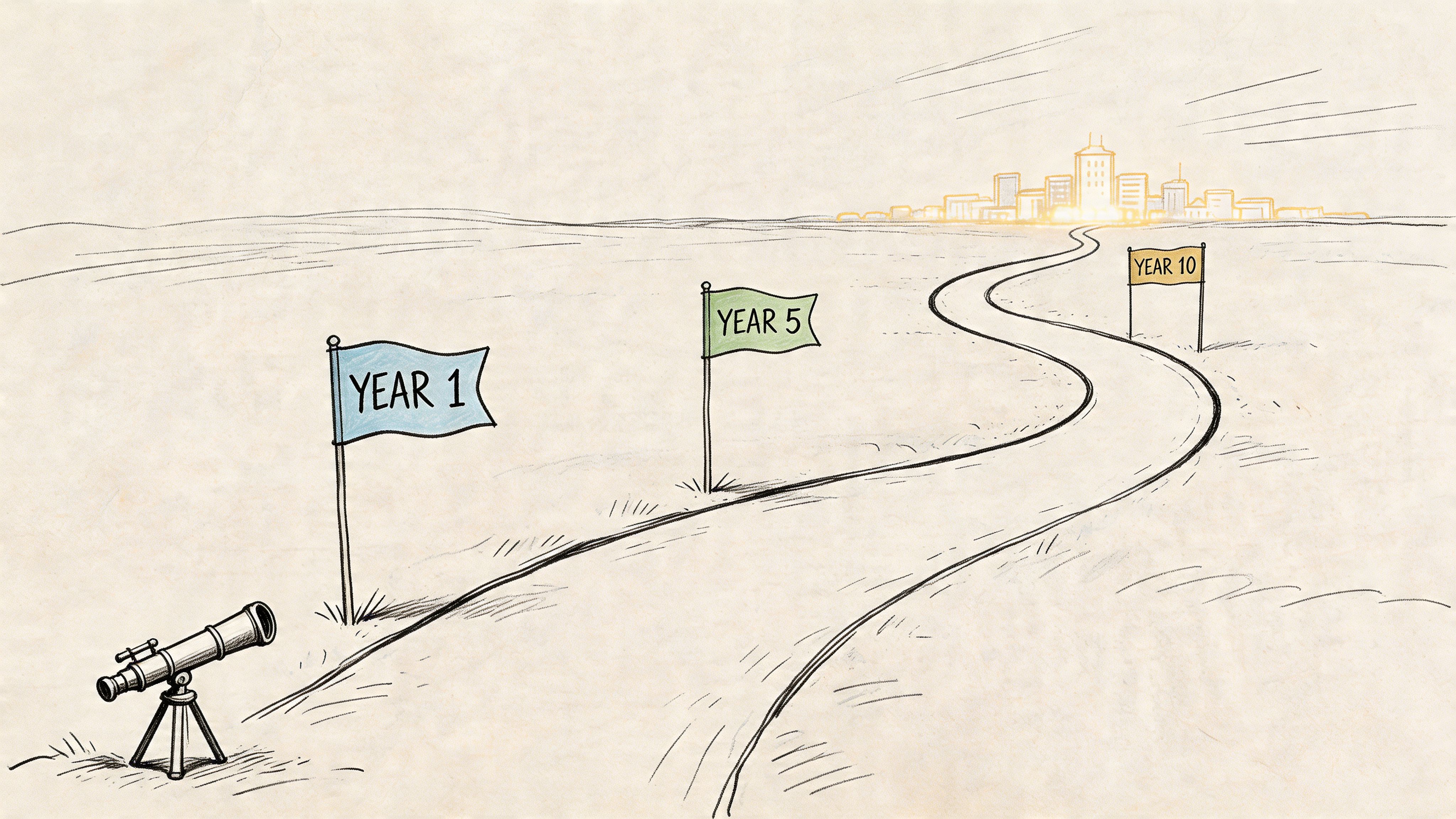
A personal mission statement should do more than summarize who you are today. It should point to the future you intend to build and give your audience a reason to keep paying attention.
That is the job of a vision-forward mission statement.
Use this format if you want to lead a category, build a media platform, shape a conversation, or create work that compounds over years instead of disappearing after each post. It turns your mission statement into a strategic asset for content and brand positioning, not a polished sentence for an about page.
Examples:
People follow clear direction. They subscribe to a future they want to see happen.
A vision-forward statement gives your content a narrative spine. Your podcast, newsletter, LinkedIn posts, interviews, and products all start reinforcing the same destination. That consistency builds authority faster because your audience can tell what you are building, why it matters, and how your work fits together.
It also creates better content decisions. Instead of asking, "What should I post this week?" you ask, "What would move the mission forward?" That shift cuts weak content fast.
If your long-term goal is category leadership, study how to develop a personal brand that builds true authority. Vision without authority stays abstract. Vision with repeated proof earns attention.
A vision-forward statement fails when it stays broad. Ambition is useful. Vagueness is not.
Make your vision observable:
A strong vision-forward statement sets direction for your work and creates a content engine around that direction.
Weak version: “I want to change the world.”
Usable version: “I’m building a trusted education brand for first-time operators who need simple systems, honest guidance, and practical tools.”
The first line sounds ambitious. The second one gives you a market, a promise, and a content strategy. That is the standard.
Authority is not a personality trait. It is a market position.
An expertise-authority mission statement tells people what you know, who it helps, and why your perspective deserves attention. This format works best for consultants, operators, specialists, and executives who want to become the first name people mention in a specific category.
Examples:
You do not build authority by sounding broadly competent. You build it by owning a clear lane.
A vague statement like “I help with marketing and leadership” gives your audience nothing to remember. A sharp statement like “I teach content systems for technical founders” creates a category in the reader’s mind. That category drives referrals, speaking opportunities, and better-fit inbound leads because people know exactly when to bring you up.
Strong personal mission statement examples in this category do one job well. They turn expertise into a repeatable public signal.
That means your statement should combine three parts:
This type of mission statement matters because it is not just branding copy. It is editorial direction.
If your mission says you are building authority in a narrow field, your content should prove it every week. Publish explanations, breakdowns, examples, and decision frameworks that show how you think. Repeated proof beats broad ambition every time.
Use your statement to shape a real authority-building system:
A useful example in this category is mission language centered on leadership, original thinking, and practical contribution. It works because it signals expertise through responsibility and results, not empty self-praise.
If you want that authority to compound instead of staying self-declared, study how to develop a personal brand that builds true authority.
A service-oriented mission statement is the right choice if your brand grows by helping people make better decisions. Coaches, consultants, advisors, educators, and community builders should use it because it puts the beneficiary, the problem, and the outcome in plain view.
That matters for more than tone. It changes your content strategy.
A weak mission statement talks about passion, purpose, and impact in vague language. A strong service-oriented statement tells people who you help, what you help them do, and how your guidance makes progress easier.
Examples:
Service is a positioning choice. It tells your audience, "My brand exists to make you more capable."
That is stronger than self-description. It gives your content a job to do.
If your mission is service-oriented, your posts should remove confusion, answer common objections, and help people act. Every piece of content should prove that you understand the audience's friction points better than competing voices do. That is how trust builds. That is also how authority compounds, because useful creators get remembered, shared, and recommended.
A public example often cited in collections of famous personal mission statements is Malala Yousafzai's focus on serving girls and children through education. The wording works because the beneficiary is unmistakable and the service is concrete.
This type of mission statement is especially useful for creators who want their brand to become a practical resource, not a stream of opinions.
Use it to pressure-test your publishing choices:
Service-oriented content meets an existing need. It does not ask the audience to admire you first.
This format also sharpens your sales message. If referrals matter in your business, a service mission statement gives people simple language to repeat about you. They will not describe you as "inspirational." They will say you helped them solve a real problem clearly and quickly. That is the kind of brand people trust enough to recommend.
Career-first mission statements break down fast. They sound focused, but they create a brand that only makes sense at work and falls apart everywhere else.
An integration mission statement fixes that. It gives you one clear direction for business, relationships, health, money, and contribution, so your brand feels consistent on the page and credible in real life.
Examples:
This type of statement gives you more than a nice line for an about page. It gives you a content architecture.
If your mission connects work with the rest of your life, you stop sounding one-dimensional. You can publish about leadership, decision-making, boundaries, parenting, health discipline, long-term wealth, and creative work without looking scattered, because every topic points back to the same standard of success.
That range matters for personal branding. Audiences follow experts for skill, then stay for worldview. Integration helps you show both.
It also makes your authority more durable. A brand built only on tactical wins can feel thin over time. A brand built on a coherent life philosophy gives people a reason to trust your judgment beyond one narrow topic.
This format gets sloppy when people treat every life category as equal content. Don’t do that. Your audience still needs a clear through-line.
Use these rules:
The advantage is strategic. An integration mission statement expands what you can talk about while keeping your positioning tight.
People trust brands that look sustainable. They assume that person will still be relevant in five years, because the mission is built around a way of operating, not a short-term sprint.
A personal mission statement should do more than sound admirable. It should make your market position obvious.
The problem-solving mission statement is one of the strongest formats for personal branding because it ties your identity to a specific frustration you help people fix. That gives your content a clear job. You are not posting to stay visible. You are publishing to diagnose a problem, explain it, and show people a better way to handle it.
Examples:
Problem-first positioning gets attention fast because people recognize pain before they recognize expertise. If your audience is stuck, overwhelmed, inconsistent, or wasting effort, a sharp mission statement tells them you understand the issue at a practical level.
It also gives you a repeatable content strategy. Every strong brand needs recurring territory it can own. A problem-solving mission gives you that territory. You can publish around root causes, bad assumptions, failed fixes, better systems, and real outcomes. That is how you build authority. You do not need endless topic variety. You need consistency around a problem people care enough to solve.
Here’s a quick video if you want more perspective on turning a mission into something people can understand fast.
This format is especially useful for consultants, coaches, operators, and creators building expertise-based brands. It turns your mission statement into editorial direction. If you solve confusion, your content should clarify. If you solve inconsistency, your content should create structure. If you solve weak positioning, your content should sharpen decision-making.
Pay attention to repeated complaints from your audience. “I know I should post, but I don’t know what to say” is not a casual comment. It is brand intelligence. Build your mission around the right problem, and your statement stops being a quote. It becomes a strategic asset that shapes your content, your offers, and your reputation.
Ambitious people often write mission statements as if they’ve already arrived. That’s a mistake. If your brand depends on learning, adaptation, and evolving expertise, your mission statement should reflect that.
A growth-trajectory statement tells people that mastery is the point. It positions you as someone committed to becoming better and bringing your audience along.
Examples:
This format works because it creates a natural publishing rhythm. You can document what you’re learning, what changed your mind, what failed, and what you’re improving next.
That makes your brand dynamic instead of static. It also helps when your career is shifting. If you’re moving from operator to founder, specialist to educator, or employee to advisor, a growth-oriented mission gives your audience a coherent story to follow.
The verified material also points to an emerging discussion around revisiting and evolving mission statements over time, including AI-assisted updates and annual or quarterly revision habits, summarized in this article discussing newer gaps in mission statement guidance. Treat that as a prompt to build a statement you can refine, not worship.
Growth-focused brands fail when every post becomes a diary entry. Your audience doesn’t owe you attention just because you’re evolving.
“Share lessons your audience can use, not just milestones you want applause for.”
Use a simple filter:
| Mission Type | 🔄 Implementation Complexity | ⚡ Resource Requirements | 📊 Expected Outcomes | Ideal Use Cases | ⭐ Key Advantages + 💡 Tip |
|---|---|---|---|---|---|
| The Impact-Driven Mission Statement | Medium, needs measurable goals & stakeholder commitment | Moderate, measurement, partnerships, program design | High, authentic engagement, long-term loyalty | Social entrepreneurs, mission-led brands, public leaders | Differentiates brand; attracts partners ⭐ · 💡 Be specific and measurable |
| The Values-Based Mission Statement | Low–Medium, self-audit and consistent behavior | Low, reflection work and consistent messaging | Medium–High, clear decisions, consistent brand voice | Leaders, coaches, founders building principled brands | Clear framework for decisions & trust ⭐ · 💡 Test values against actions |
| The Vision-Forward Mission Statement | Medium–High, visioning, roadmapping, storytelling | Moderate, strategic planning and milestone creation | High, inspires audiences; sustains long-term narrative | Scaling founders, public figures, strategic growth plans | Powerful motivational narrative ⭐ · 💡 Make vision inspiring but believable |
| The Expertise-Authority Mission Statement | High, proving expertise, creating frameworks | High, ongoing learning, content production, credentials | High, credibility, premium positioning, trusted authority | Consultants, specialists, niche thought leaders | Builds authority quickly in a niche ⭐ · 💡 Document evidence and case studies |
| The Service-Oriented Mission Statement | Medium, systems for delivery and boundary management | Moderate, client support, feedback loops, service ops | High, retention, referrals, strong client loyalty | Coaches, consultants, client-facing leaders | Drives loyalty and referrals ⭐ · 💡 Set clear service boundaries |
| The Integration Mission Statement | High, aligning life & work dimensions coherently | Moderate–High, transparency, time, and narrative work | Medium–High, multi-dimensional appeal and relatable leadership | Senior leaders, founders seeking balanced legacy | Creates authentic, layered brand ⭐ · 💡 Be specific to avoid vagueness |
| The Problem-Solving Mission Statement | Medium, problem validation and solution design | Moderate, research, testing, case studies | High, clear differentiation and measurable impact | Entrepreneurs solving distinct pain points, product builders | Clear value prop and focused content ⭐ · 💡 Validate demand early |
| The Growth-Trajectory Mission Statement | Medium, ongoing measurement and public learning | Moderate, time for learning, mentorship, content cadence | Medium–High, engaged growth-minded audience, sustainable evolution | Creators, professionals modeling continuous improvement | Models growth mindset and community ⭐ · 💡 Set specific growth metrics and share progress |
A personal mission statement is only useful when it leaves the page.
That means using it as a filter for every visible move you make. Your content. Your offers. Your collaborations. Your speaking topics. Your bio. Your site copy. Your hiring decisions. If those things don’t line up with the mission, the mission isn’t doing any work.
Individuals often falter. They collect personal mission statement examples, write something polished, and stop there. But the statement isn’t the outcome. It’s the operating system. It should tell you what kind of audience you’re building, what problems you’re known for solving, and what tone your brand should carry.
A useful way to pressure-test your statement is simple. Can it answer these questions fast?
If your statement can’t answer those, rewrite it.
Strong mission statements also create consistency. That’s why they matter for personal branding. When your audience sees the same purpose repeated across posts, interviews, comments, and offers, they trust the pattern. They don’t have to guess what you stand for.
That consistency is also what strengthens platforms like LinkedIn. If you’re serious about building there, these expert tips for LinkedIn branding pair well with a clear mission because they help you express the same identity across profile positioning and ongoing content.
Pick one of the eight styles that matches the brand you want to build. Don’t choose the one that sounds impressive. Choose the one you can publish from every week. Then write a statement with a real audience, a real contribution, and a real point of view.
That’s how a mission statement stops being fluff and starts becoming useful.
If you’re ready to turn your mission into content that builds authority, attracts the right audience, and compounds your reputation, work with Legacy Builder. We help founders, executives, and creators turn clear positioning into consistent, high-impact personal brand content.


You could – but most in-house teams struggle with the nuance of growing on specific platforms.
We partner with in-house teams all the time to help them grow on X, LI, and Email.
Consider us the special forces unit you call in to get the job done without anyone knowing (for a fraction of what you would pay).
Short answer – yes.
Long answer – yes because of our process.
We start with an in-depth interview that gives us the opportunity to learn more about you, your stories, and your vision.
We take that and craft your content then we ship it to you. You are then able to give us the final sign-off (and any adjustments to nail it 100%) before we schedule for posting.
No problem.
We have helped clients for years or for just a season.
All the content we create is yours and yours alone.
If you want to take it over or work on transitioning we will help ensure you are set up for success.
We want this to be a living breathing brand. We will give you best practices for posting and make sure you are set up to win – so post away.
Subscribe to our newsletter and get insights on how to grow your personal brand.
