.svg)
Subscribe to our newsletter and get insights on how to grow your personal brand.
Thank you! Your submission has been received!
Oops! Something went wrong while submitting the form.
.svg)


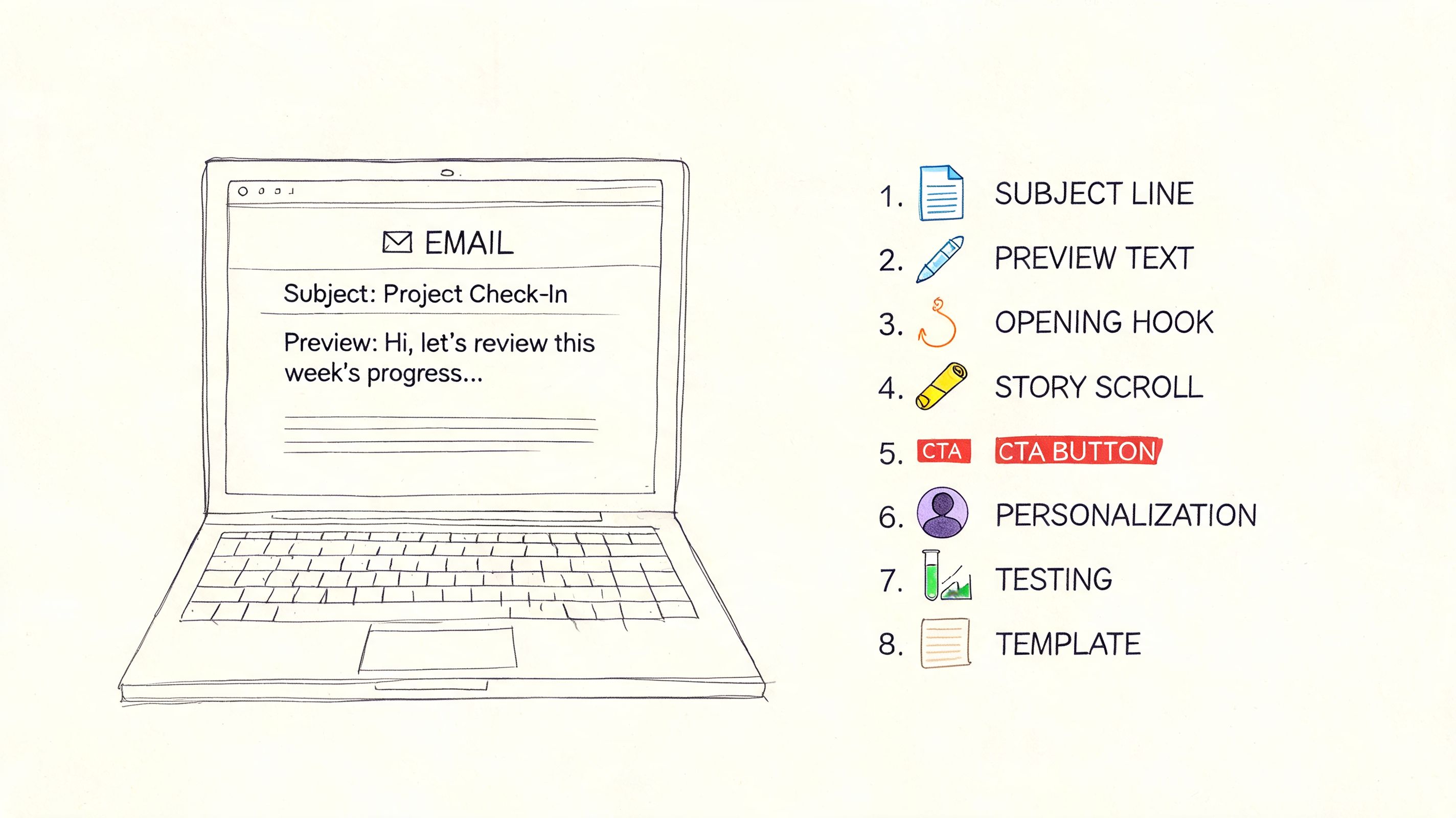
Stop Writing Emails. Start Building Relationships.
Most email copywriting tips train you to chase attention. Write a punchy subject line. Add urgency. Drop a CTA. Push for the click. That approach can get short-term movement, but it also fills your list with people who recognize your tactics before they recognize your voice.
If you're a professional building a personal brand, that isn't good enough. You don't need emails that sound like everyone else's funnel. You need emails that sound like you. Trust drives the best inbox relationships, and trust doesn't come from clever phrasing alone. It comes from relevance, consistency, and a point of view people can feel in every sentence.
That means your subject line should match your voice. Your opening should reflect what your reader is already wrestling with. Your stories should prove you understand the work because you've lived it, not because you can stack claims. If your emails feel like a conversation with a smart, grounded professional, people stay. If they feel like recycled marketing, people tune out.
This guide cuts against the usual advice. It focuses on email copywriting tips that help professionals build authority and connection at the same time. The best emails don't just sell a service. They reinforce your reputation, sharpen your positioning, and give readers a reason to trust your thinking. That's the same principle behind effective strategies for testimonials. Proof lands when it feels real.
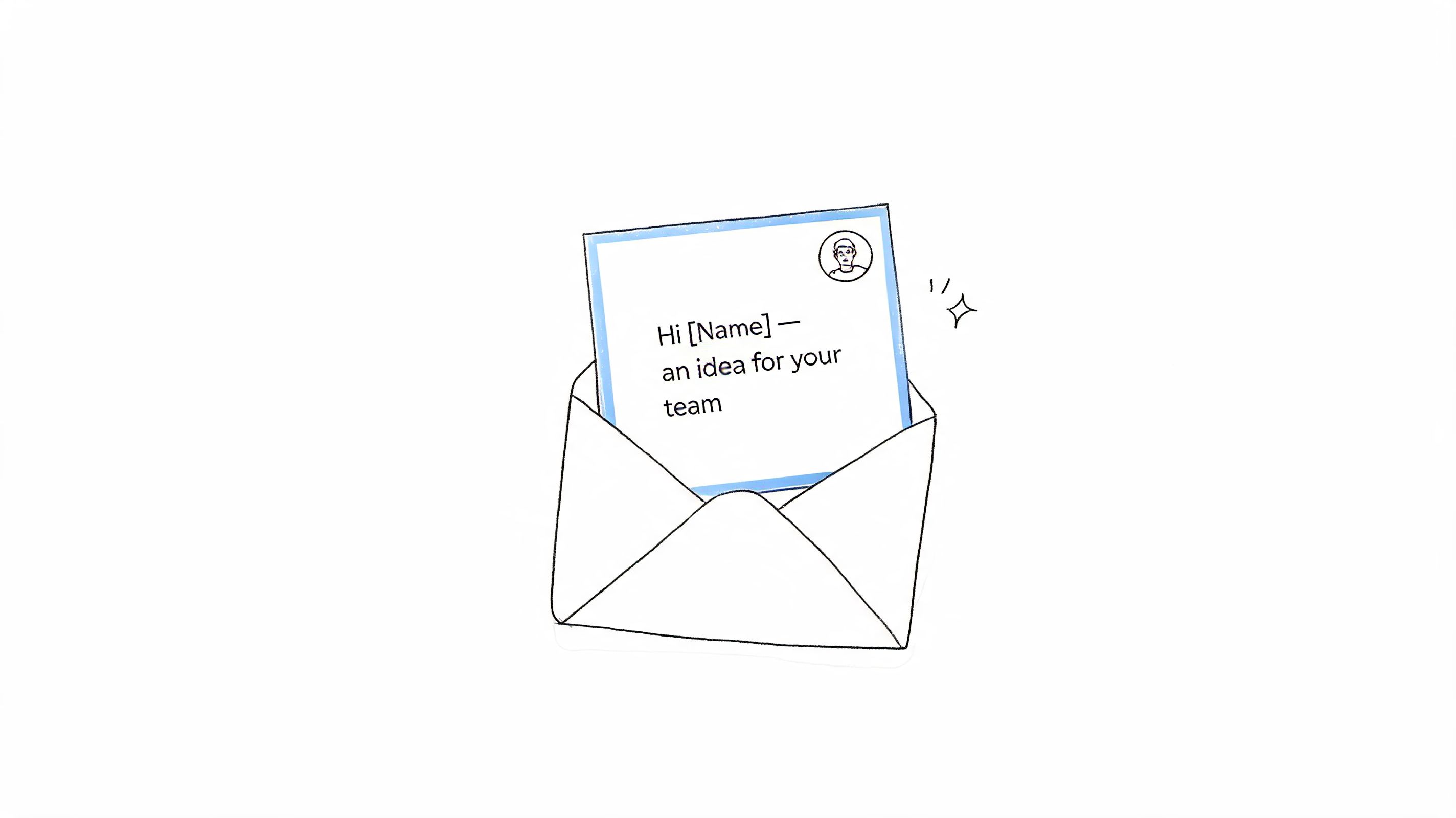
Bad subject lines do more than hurt open rates. They make you sound forgettable.
If you're building a personal brand, that cost is too high. The subject line is often the first proof that your thinking is clear, relevant, and worth a reader's time. Treat it like a cheap trick, and you train people to expect cheap thinking inside the email too.
Personalization still matters. Generic subject lines get ignored because they could have come from anyone. Strong subject lines carry context. They reflect the reader's role, current pressure, and the way you naturally communicate. A first name token is not personalization. Precise relevance is.
A consultant writing to department heads should sound different from a creator writing to freelancers. A founder building authority should not copy the same swipe-file formulas used in mass-market promo campaigns. Your subject line should sound like a credible professional with a clear point of view, not a marketer fishing for a click.
Brand voice starts before the first sentence of the email. If your voice is sharp, write sharp. If your voice is calm and strategic, write that way. Consistency matters because readers are not only deciding whether to open. They're deciding what your name stands for.
Use these rules:
Practical rule: Personalize the meaning, not just the merge field.
Weak subject lines chase attention. Strong ones signal relevance and authority.
Skip lines like “Quick question” or “Thought you'd like this.” They say nothing. Write something tied to the reader's world instead: “Your expertise is getting buried in safe email copy.” “Why smart consultants still sound generic in inboxes.” “The credibility gap hiding in your newsletter.”
If you want a stronger framework, study how to write email subject lines that get opened every time. Then test a few distinct angles across audience segments and keep the version that sounds true to your brand and earns attention from the right readers.
Your offer is rarely the reason someone keeps reading.
People open emails with unfinished thoughts already running. They are trying to fix a weak response rate, say something sharper, sound more credible, or stop blending in with every other professional in their space. If your opening paragraph ignores that and starts with your announcement, your process, or your promotion, you force the reader to do extra work. They will not do it.
The first lines should feel like relief. The reader should think, "Yes. That's exactly the problem."
That is how strong personal brands are built in email. You show readers you understand the private friction behind the public goal. You are not just selling a service or sharing a tip. You are proving that your perspective is worth paying attention to.
Good email copy does not warm up slowly. It enters the conversation already happening in the reader's head.
Use openings like these:
These openings work because they give the reader value on line one. They offer clarity. They frame the problem. They show judgment.
If your first paragraph sounds like a brochure, rewrite it until it sounds like a diagnosis.
This takes research, not creativity tricks. Pull language from sales calls, coaching notes, client feedback, DMs, and the questions people ask right before they admit what is frustrating them. That is the copy. Use the words your audience already uses privately.
Then make the email easy to move through. Short paragraphs. One point at a time. Clean sentences. If you want readers to stay with you long enough to trust you, remove friction from the reading experience.
Story helps here too, especially for professionals building authority around a personal brand. A short, well-placed example can make your opening feel precise instead of performative. If you want a stronger framework for that, study storytelling techniques for personal branding success.
Lead with insight first. Earn attention before you ask for action. That is how email stops feeling like promotion and starts working like reputation.
Authority built on numbers alone feels cold. Authority built on story feels lived-in. That's what professionals need when they're building a personal brand. You don't want readers thinking, “This person knows a lot.” You want them thinking, “This person understands exactly what this looks like in real life.”
That changes how you use proof. Don't lead with a stack of stats unless the point requires it. Lead with a moment. A decision. A client hesitation. A bad draft that became a strong one. A founder who stopped trying to sound impressive and finally sounded credible.
Ramit Sethi is good at this. James Clear is good at this too. They don't just announce expertise. They walk the reader through a recognizable situation, then pull out the lesson.
For B2B professionals, story-led text emails often land better than overdesigned campaigns. The angle is simple. They feel more personal, more human, and more believable. That's one reason the guidance around authentic personal branding matters so much in email copywriting tips.
Use a simple story structure:
Then attach the insight. Don't leave the reader with a nice anecdote and no takeaway.
A story without a point is a diary entry. A story with a point becomes authority.
For professionals trying to sharpen thought leadership, this matters more than polished design. Readers remember situations they recognize. They remember how a lesson made them reconsider their own habits. They don't remember a wall of claims.
If you want to strengthen that skill, study master storytelling for personal branding success. Then start collecting raw material from your own work. Keep a file of client objections, surprising wins, lessons from bad launches, and moments when your thinking changed. That's where your best authority-building emails come from.
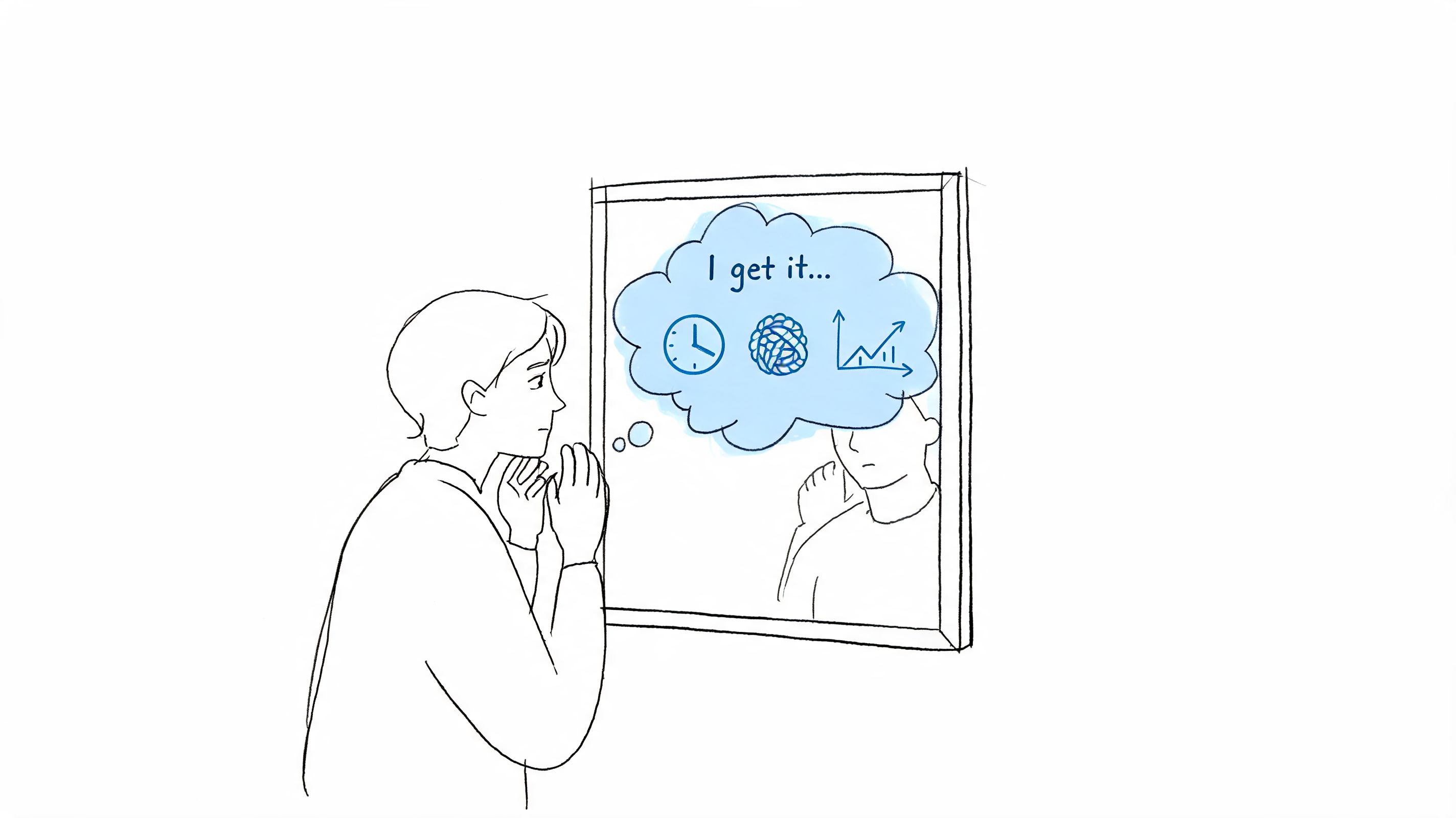
Abstract copy sounds smart and sells nothing.
“Grow your audience.” “Increase your impact.” “Boost your brand.” These lines are empty calories. They fill space, but they do not help the reader feel the change. If your email does not create a clear mental picture, it will not build trust, and it will not strengthen your personal brand.
Strong copy gives the reader something they can see. It turns a vague promise into a real professional outcome. That matters even more for experts, consultants, and operators who want their emails to carry authority. Authority is not built with big words. It is built with precise language that makes your thinking feel concrete and credible.
Don't say, “build authority.” Say what authority looks like in the reader's day-to-day work. A prospect forwards your email to their team. A former client replies after six months and asks if you have room for a project. A sales call starts with, “I've been reading your emails, so I already get how you work.”
That is the difference. One version sounds like marketing. The other sounds like lived experience.
Bad line: “Our service helps you grow your personal brand.”
Better line: “You send one sharp email every week, and prospects start replying as if they have already sat across the table from you.”
The second line works because it creates a social and emotional result. The reader can feel the shift. Familiarity. Trust. Momentum. That is what persuasive email copy should do.
Use this filter when you edit:
AI can help you tighten phrasing and test variations, especially at the subject line level. Mailchimp explains that clear, specific subject lines improve open rates because readers understand what they are getting before they click in its email marketing benchmarks and guidance. Use that lesson the right way. Let AI suggest options, then rewrite until the email sounds like a real person with a point of view.
Your reader should be able to picture your value in under ten seconds. If they cannot, the copy is still too abstract.
Urgency protects attention when the reason is real. It destroys trust when the deadline is theater.
If you write “last chance” every Friday, readers stop believing anything you say. That hurts more than a weak campaign. It weakens your personal brand. People start to read your emails like promotions, not perspective.
Real professionals do not need fake countdown language. They need a clear reason to act now.
A cohort closes because the group starts on a fixed date. A consultant limits advisory calls because the calendar fills. A SaaS company sets a deadline because pricing changes, onboarding shifts, or an old feature is being retired. Those limits are believable because they come from operations, not copy tricks.
Do not announce scarcity without context. State the reason.
If your program has a cap, say the cap protects discussion quality and direct access. If strategy sessions are only open this week, say client delivery blocks the rest of the month. If your offer matters before annual planning, say missing this window means waiting until the next cycle.
That kind of urgency builds authority. It shows you run your business with standards.
Campaign Monitor’s guidance on writing effective email subject lines reinforces a simple truth. Clear wording earns attention better than hype. Apply that same standard to deadlines.
Use this checklist:
Here is the standard. If someone forwarded your email to a colleague, would the deadline make you look disciplined or desperate?
The best urgency copy does not shout. It makes the decision easy. Join this round, book one of the few available slots, or miss it and wait. That level of honesty is stronger for your brand than any pressure tactic.
If you want urgency to work even better, pair it with relevance. Segment your email list for higher engagement so the deadline matters to the specific reader receiving it.
If you write one email for everyone, you sound generic to everyone.
A CEO, a solo consultant, and a SaaS founder may all care about personal branding. Their stakes are different. Their blind spots are different. The proof they trust is different too. If your copy ignores that, it reads like mass communication, not leadership.
That matters more in a personal-brand-driven email strategy. You are not just trying to get a click. You are teaching readers how to see you. Broad copy makes you look interchangeable. Segmented copy makes you sound like someone who understands the room.
Start with simple, meaningful splits. Role, business model, source of signup, and immediate problem are enough to sharpen your message fast.
For example:
The tool matters less than the judgment behind the message. ConvertKit, Mailchimp, and HubSpot can all handle basic segmentation. Your real job is to make each reader feel accurately seen.
That means changing more than a headline. Change the examples. Change the objections you answer. Change the story you tell to establish authority. A founder should read your email and think, "This person understands the pressure I am under." A newer consultant should feel guided, not talked over.
If you need a cleaner framework, review how to segment email lists for higher engagement. Then write three distinct versions of the same message before you build anything more complex.
Segmentation also improves conversion quality, because better-fit readers take better-fit actions. That is the same principle behind these CRO insights for better lead generation. Relevance gets attention. Specificity builds trust. Trust is what turns email copy into brand equity, not just another send.
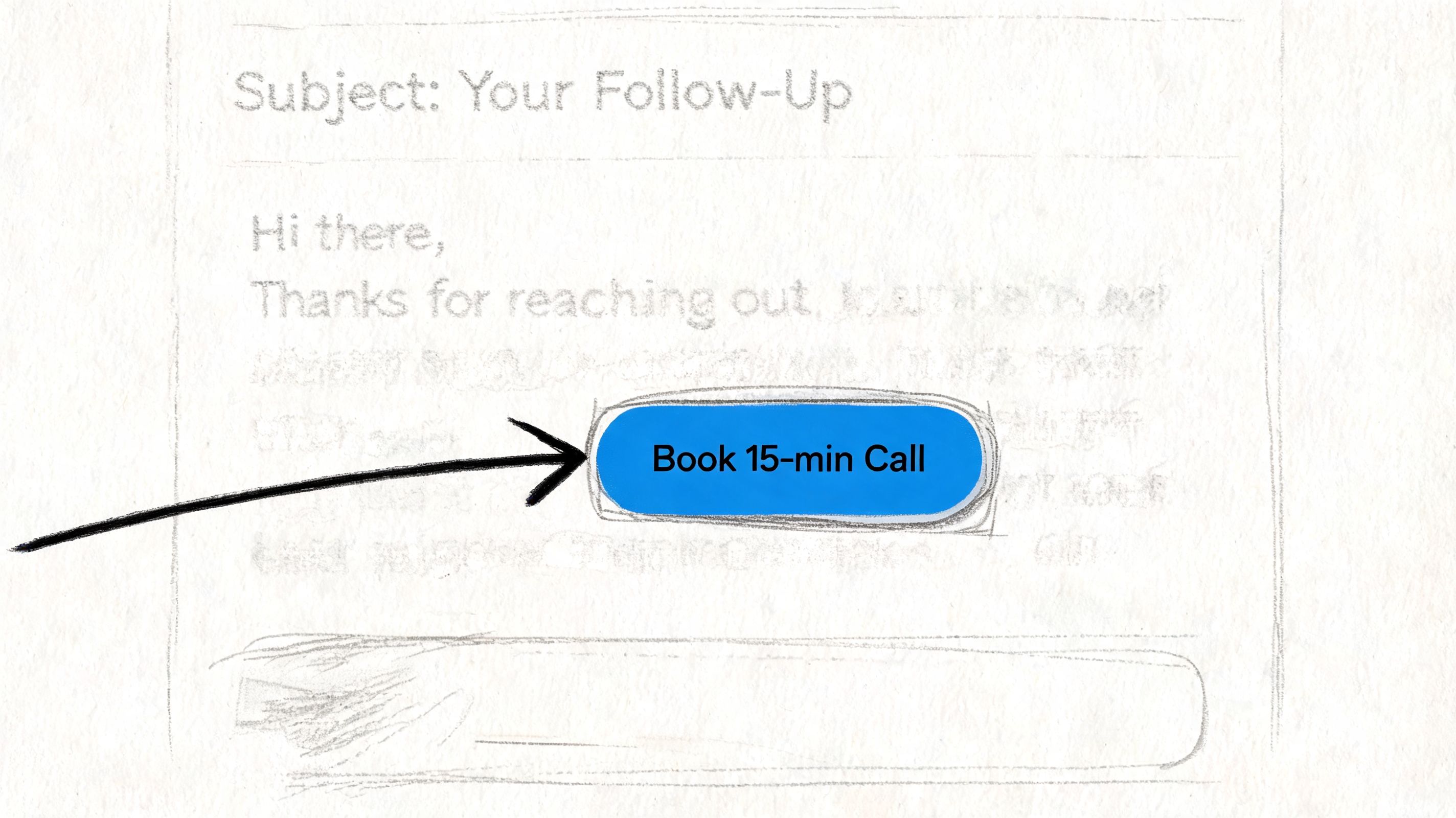
A weak CTA exposes weak positioning.
If your email ends with four options, you are not giving the reader freedom. You are forcing them to sort through your priorities for you. That kills momentum fast. Strong email copy closes with one next step that fits the story, the promise, and the level of trust you have earned.
That matters even more for professionals building a personal brand. Your CTA is not just a conversion device. It signals how you lead. A sharp, specific ask makes you sound clear and credible. A cluttered ending makes you sound unsure of your own value.
Apple gets this right. Product emails usually point to a single move: order now or learn more. The reader never has to guess what matters.
Use the same standard in your own emails. If you want someone to book a call, name the call and the benefit. If you want them to read a case study, tell them what question it answers. If you want a reply, tell them exactly what to send back.
Strong CTA examples:
Weak CTAs hide the value. “Click here” says nothing. “Learn more” often says too little. Busy professionals will not spend extra effort decoding your intent.
One more rule. Match the CTA to the relationship. Cold readers should not get pushed into a high-commitment ask. Ask for the next believable step. Reply to the email. Read the story. Watch the short breakdown. Then earn the bigger ask later.
For a broader conversion mindset, review these CRO insights for better lead generation. Then apply the same standard to your email endings. Remove friction. Make the next step clear. Give the reader one clean choice.
Single emails rarely build a serious personal brand. Sequences do.
If you want people to trust your judgment, remember your name, and associate you with a clear point of view, stop treating email like a string of disconnected blasts. Professionals do not build authority through random appearances. They build it through consistent contact that reveals how they think, what they value, and how they solve problems.
A strong sequence gives you the room to do that. One email can spark interest. Five to seven well-structured emails can establish credibility, show your standards, surface your story, and earn a response without sounding performative or pushy.
Readers keep opening emails when they know what they will get and why it matters to them. That trust comes from consistency. It comes from a recognizable voice, a clear angle, and useful ideas delivered in the right order.
That order matters more than send-time tinkering.
Build your sequence with a job for each email:
You can use AI to draft variations, test subject lines, and speed up production. Fine. Use it for output. Do not let it flatten your voice. If your sequence sounds like everyone else in the inbox, it weakens the very thing you are trying to build. Your personal brand only gets stronger when the writing sounds like an actual person with standards, experience, and a point of view.
Write the full sequence before you obsess over optimization. Weak ideas sent at the perfect time are still weak ideas. Strong nurture emails build familiarity, authority, and connection over time. That is how email stops being a promotion channel and starts becoming a reputation engine.
A summary table only earns its place if it helps you make better decisions. Use this one as a practical filter. Match the tactic to your goal, the effort it takes, and the kind of brand impression it creates.
If your aim is a stronger personal brand, stop judging email ideas by clicks alone. Judge them by a harder standard. Do they make you sound credible, clear, and worth hearing from again?
| Strategy | Best Used When | Effort Level | Brand Impact | Execution Advice |
|---|---|---|---|---|
| Craft Personalized Subject Lines That Reflect Your Authentic Brand Voice | You want more opens without sounding like a copywriting template | Medium | Builds familiarity fast when the voice sounds like you | Use the reader’s context where it fits. Keep it short. Test a few versions, but protect your tone. |
| Lead With Value, Not Your Offer, Mirror the Reader's Internal Conversation | You need attention from skeptical readers who do not care about your pitch yet | High | Shows empathy and sharp audience awareness | Open with the problem they are already trying to solve. Earn attention before you ask for anything. |
| Establish Social Proof and Authority Through Storytelling, Not Statistics | You need trust, especially in high-consideration offers or expert-led services | Medium to High | Turns experience into authority people remember | Tell a real story with tension, judgment, and outcome. Context beats a pile of numbers. |
| Use Specific, Sensory Language That Creates Mental Images Over Abstract Claims | Your copy sounds competent but forgettable | Medium | Makes your ideas easier to picture, trust, and recall | Replace broad claims with concrete scenes, details, and outcomes the reader can see. |
| Create Urgency Through Authentic Scarcity, Not Artificial Pressure Tactics | There is a real deadline, cap, or constraint behind the offer | Low to Medium | Protects trust while still prompting action | State the limit plainly and explain why it exists. Honesty converts better than pressure gimmicks. |
| Segment Your List and Speak Directly to Specific Audience Subsegments | Different subscriber groups need different examples, offers, or objections addressed | High | Increases relevance and makes your brand feel more personal | Start with a small number of meaningful segments. Write to each group like you know what they care about. |
| End With Clear, Single-Action CTAs That Reduce Friction and Decision Paralysis | You want the reader to take one obvious next step | Low | Signals confidence and reduces hesitation | Ask for one action only. Make the next step easy to understand and easy to complete. |
| Build Long-Form Email Sequences That Nurture Relationships, Not Just Broadcast Single Sends | You are building trust over time, not chasing one isolated response | High | Compounds authority and connection across multiple touchpoints | Write the full sequence around a clear belief, not a batch of disconnected emails. Each message should deepen trust. |
The pattern is simple. High-performing email copy does more than get attention. It teaches your audience how to see you.
That is the true comparison that matters. Some tactics create a short-term response. The right tactics build recognition, trust, and authority that carry into every future email.
Mastering email copywriting isn't about collecting tricks. It's about deciding what kind of relationship you want to build with the people in your inbox. If your emails are only designed to grab attention, you'll always be chasing the next subject line test, the next urgency angle, the next click. That's a weak foundation for a serious personal brand.
The better approach is steadier. Write emails that sound like a trusted advisor, not a campaign machine. Personalize your subject lines without turning them into gimmicks. Open with the problem your reader already feels. Use stories to show your authority in action. Choose language that people can see, not just skim past. And when you ask for action, make that next step simple and clear.
That's how professionals build reputations through email. One relevant message at a time. One consistent point of view at a time. One honest interaction at a time.
Your inbox is one of the few places where you control the environment. No algorithm is reshuffling your ideas. No platform is burying your message because it doesn't fit the format of the week. When someone invites you into their inbox, you've been handed attention. What you do with it shapes your brand to a degree that is often underestimated.
That matters if you're a founder trying to attract better opportunities. It matters if you're a CEO building authority beyond your company page. It matters if you're a consultant, advisor, or creator who wants your audience to trust your thinking before they ever book a call. Email gives you room to be sharp, human, and consistent at the same time.
If you're serious about creating that kind of presence, treat your email strategy like part of your legacy. Write with discipline. Sound like yourself. Give people a reason to keep opening. That's how trust compounds.
And if you want a reminder that strong writing isn't only for marketers, browse these resources for novelists. The principle carries across every form of writing that lasts. Clear voice matters. Real stakes matter. Human connection matters most.
Legacy Builder helps professionals turn expertise into content that builds trust. That means stronger positioning, sharper storytelling, better email strategy, and a brand that sounds like a person worth listening to. You don't need more content for content's sake. You need communication that moves your reputation forward.
If you're ready to turn your emails into a real brand asset, work with Legacy Builder. Their team helps professionals turn raw expertise, lived experience, and real perspective into high-impact content that builds authority and trust consistently.


You could – but most in-house teams struggle with the nuance of growing on specific platforms.
We partner with in-house teams all the time to help them grow on X, LI, and Email.
Consider us the special forces unit you call in to get the job done without anyone knowing (for a fraction of what you would pay).
Short answer – yes.
Long answer – yes because of our process.
We start with an in-depth interview that gives us the opportunity to learn more about you, your stories, and your vision.
We take that and craft your content then we ship it to you. You are then able to give us the final sign-off (and any adjustments to nail it 100%) before we schedule for posting.
No problem.
We have helped clients for years or for just a season.
All the content we create is yours and yours alone.
If you want to take it over or work on transitioning we will help ensure you are set up for success.
We want this to be a living breathing brand. We will give you best practices for posting and make sure you are set up to win – so post away.
Subscribe to our newsletter and get insights on how to grow your personal brand.
