.svg)
Subscribe to our newsletter and get insights on how to grow your personal brand.
Thank you! Your submission has been received!
Oops! Something went wrong while submitting the form.
.svg)



In the crowded digital landscape, professionals with powerful stories and deep expertise face a universal challenge: turning their insights into a tangible, influential personal brand. The gap between knowledge and impact is often a matter of inconsistent messaging, missed opportunities, and the overwhelming task of content creation. This isn't just about posting online; it's about building a legacy. The key to bridging this gap lies in mastering a strategic approach to your content.
This article moves beyond generic tips to provide a comprehensive roundup of 10 actionable content management best practices. Each one is a critical pillar for professionals ready to transform their personal brand from a passive resume into an active, engaging, and influential online presence. We will explore the exact systems and strategies used by top creators, equipping you with the tools to manage your content with purpose and precision.
You will learn how to:
By implementing these content management best practices, you will create a structured, scalable system that not only streamlines your workflow but also amplifies your voice, solidifying your position as a trusted authority in your field. Let's get started.
Before creating a single piece of content, the most critical step is building a documented, strategic plan. A comprehensive content strategy framework acts as your brand’s constitution, a roadmap that ensures every article, video, and social post serves a distinct purpose. This foundational practice moves you from reactive, sporadic content creation to an intentional, goal-oriented system.
For professionals building a personal brand, this framework is non-negotiable. It aligns your unique expertise with your audience's needs, establishing you as a thought leader. Instead of guessing what to post, your strategy dictates your actions, ensuring consistency and brand coherence across all platforms. Think of it as the architectural blueprint for your digital legacy.
A robust framework is built on several key components that work together. Neglecting any of these can weaken your overall content management efforts.
To develop a truly comprehensive content strategy framework, it's vital to consider the overarching principles that drive engagement and growth. Explore these content marketing best practices for scalable growth to ensure your strategy is robust and effective. By documenting this plan and reviewing it quarterly, you create a powerful engine for building a meaningful personal brand.
Consistency is the engine of a successful personal brand, but it's often the hardest thing to maintain. An integrated system of planning, batching, and repurposing transforms content creation from a daily grind into a manageable, strategic workflow. This practice allows you to produce high-quality content in focused bursts, ensuring a steady stream of value for your audience without risking burnout.
For busy professionals, this efficiency-focused approach is a game-changer. Instead of constantly brainstorming, you work from a clear plan, create a month's worth of content in a few sessions, and then multiply its impact across different channels. This is a core component of effective content management best practices, turning one great idea into a dozen touchpoints that reinforce your expertise and keep you top-of-mind.

A successful system combines forward-thinking planning with methodical execution. By integrating these three components, you create a content machine that runs on its own momentum.
To get started, it is crucial to use a structured planner. Explore this content calendar template for social media that actually works to organize your workflow effectively. By adopting this system, you ensure your content output is not just consistent but also strategically maximized for reach and impact.
Data and facts establish authority, but authentic stories build connection and trust. This practice shifts the focus from polished corporate messaging to genuine personal narratives, experiences, and insights. It operates on the principle that modern audiences crave human connection and are more likely to engage with content that reflects real-life challenges and triumphs.
For professionals building a personal brand, this is how you transform from just another expert into a memorable, relatable figure. Your lived experiences, including failures and lessons learned, become your most powerful assets. Story-driven content differentiates your voice in a crowded digital landscape, fostering a loyal community that is invested in your journey, not just your services.
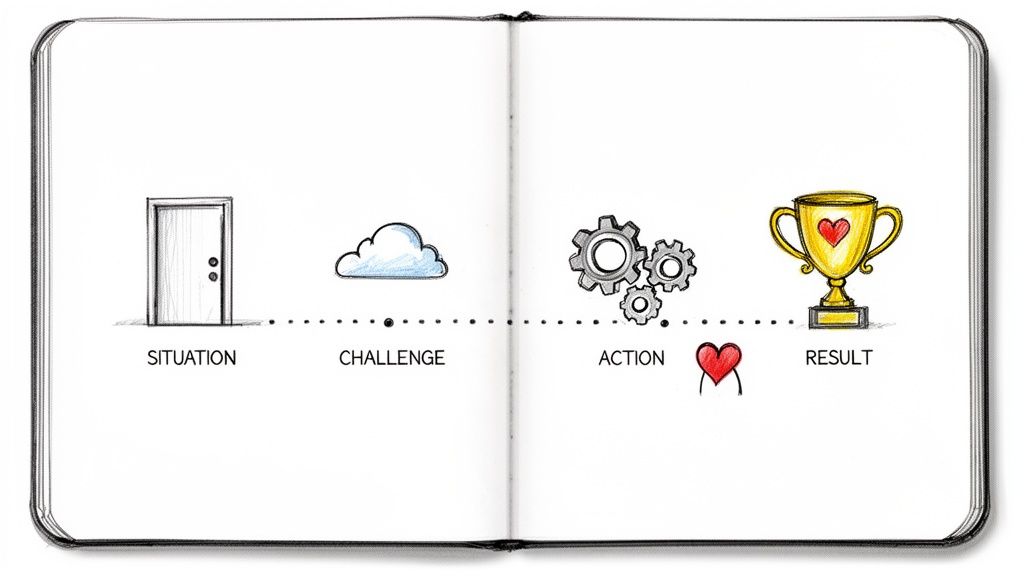
Weaving compelling narratives into your content management requires a structured yet genuine approach. This is not about fabricating stories but about framing your real experiences to deliver value.
Incorporating authentic storytelling is a cornerstone of effective content management best practices, as it creates a deep, emotional connection that facts alone cannot. By sharing your authentic self, you build a brand that people not only follow but truly believe in.
Beyond what you say, how you say it shapes audience perception and trust. Establishing consistent brand voice and messaging guidelines is the practice of documenting and enforcing a cohesive identity across all content. This framework defines your brand’s personality, tone, and core messages, ensuring every piece of communication sounds like it comes from the same source.
For professionals building a personal brand, a consistent voice is your digital signature. It transforms disjointed posts into a recognizable and reliable presence, fostering a deeper connection with your audience. Whether it's Gary Vaynerchuk's energetic, direct style or Apple's minimalist, innovation-focused messaging, a distinct voice makes you memorable and builds unwavering brand equity.
A strong voice guide is more than a list of words; it’s a strategic asset that scales your brand’s integrity. Implementing one involves several clear, actionable steps.
To build an identity that resonates, it’s essential to formalize these elements into a shareable document. Discover the steps in this practical blueprint on how to create brand guidelines to ensure your personal brand remains consistent and powerful. Reviewing these guidelines annually ensures your voice evolves with your legacy.
Creating content without analyzing its performance is like navigating without a map. A data-driven approach to content management transforms your efforts from guesswork into a calculated science. It involves tracking, analyzing, and optimizing your content based on quantifiable metrics, moving beyond intuition to understand what truly resonates with your audience, drives engagement, and achieves your core objectives.
For professionals building a personal brand, this practice is indispensable. Analytics provide concrete evidence of what's working and what isn't, allowing you to refine your strategy for maximum impact. Instead of wasting effort on content that falls flat, you can double down on the formats and topics that build authority and attract opportunities, demonstrating a clear return on your investment of time and resources.
A successful analytics practice relies on a systematic process of tracking, reviewing, and acting on insights. Integrating these steps into your workflow is a key component of effective content management best practices.
Effective content management extends beyond creation and distribution; it involves fostering a living, breathing community around your brand. This relationship-focused practice prioritizes meaningful interaction over one-way broadcasting. Instead of just publishing content, you actively engage with your audience by responding to comments, asking questions, and creating spaces for discussion, making followers feel seen and valued.
For professionals building a personal brand, this is how you transform a passive audience into a loyal tribe of advocates. Community engagement solidifies your authority and builds deep-rooted trust, recognizing that sustainable growth is built on relationships, not just reach. This approach turns your content platform into a vibrant hub where your expertise and your audience’s needs intersect.

Building a thriving community requires a systematic and genuine approach. It's about creating value through connection, not just content.
By integrating these community-building tactics into your workflow, you elevate your content management from a simple publishing schedule to a dynamic, interactive system. It’s a powerful strategy for anyone looking to build not just a following, but a lasting legacy.
Creating excellent content is only half the battle; ensuring it gets discovered is the other. Search Engine Optimization (SEO) is the technical and strategic practice that makes your content visible to search engines like Google. This process ensures your expertise reaches individuals actively searching for solutions you provide, establishing a reliable stream of organic traffic.
For professionals building a personal brand, SEO is the engine for sustainable growth. It positions your content as a primary resource for your target audience, building authority and credibility without a dependency on paid advertising. Mastering this element of content management best practices transforms your content from a monologue into a valuable conversation with a highly motivated audience.
A successful SEO strategy is multi-faceted, combining keyword research, on-page optimization, and technical health to improve your rankings and visibility.
As search algorithms evolve, leveraging modern technology becomes crucial. To effectively optimize your content for AI-driven search experiences, exploring the best AI SEO tools for 2025 can provide a significant advantage. By integrating these SEO fundamentals into your content management workflow, you create a powerful, self-sustaining system for attracting and engaging your ideal audience.
A foundational philosophy in modern content management is to prioritize providing genuine value before asking for anything in return. This value-first approach involves creating a significant volume of free, helpful content (around 80-90%) with only a small portion (10-20%) being directly promotional. This practice shifts the focus from immediate conversion to long-term relationship building.
For professionals building a personal brand, this strategy is the key to establishing trust and authority. Instead of pushing a sale, you become a go-to resource for your audience's problems, like Gary Vaynerchuk, who built a media empire by relentlessly giving away his best advice. This generosity creates a loyal following that naturally wants to engage with your premium offerings when the time is right.
Building a reputation on generosity requires a disciplined and audience-centric approach. A successful value-first model is built on understanding and serving your audience's needs without expectation.
While social media offers reach, building an owned audience through a strategic email list provides direct, unfiltered communication. This practice moves your audience from a rented platform, subject to algorithmic whims, to a direct channel you control. It involves systematically growing your subscriber base and nurturing it with high-value content, establishing a powerful asset for your personal brand.
For professionals aiming to build a legacy, an email list is the ultimate relationship-building tool. It transcends the fleeting nature of social feeds, allowing you to deliver targeted insights, offers, and narratives directly to your most engaged followers. Think of it as your private, digital stage, where you can deepen connections and drive meaningful conversions, much like how Tim Ferriss uses his newsletter to drive both engagement and business goals.
An effective email strategy is more than just sending a weekly newsletter. It requires a systematic approach to list growth, segmentation, and value delivery.
Before you manage your content, you must first manage your identity. Establishing clear personal brand positioning is the strategic practice of defining your unique value, identifying what sets you apart from competitors, and occupying a distinct space in the minds of your audience. It is the foundational act of deciding who you are, who you serve, and why you are the only one who can do it your way.
For professionals building a lasting digital legacy, this isn't just about marketing; it's about owning your narrative. Without clear positioning, your content becomes generic, blending into the noise and failing to attract your ideal audience. Strong positioning ensures every piece of content you create is infused with a unique perspective, making it instantly recognizable and valuable. It’s the difference between being a voice and being an echo.
A powerful positioning strategy is built by methodically defining and communicating your unique value. This process requires introspection, market research, and consistent execution.
By building this foundation, you ensure that your content management best practices are applied to a brand that is both distinct and memorable. To dive deeper into building a brand that stands out, explore this modern playbook for personal branding for leaders and ensure your positioning is sharp and effective.
Navigating the landscape of personal branding can feel overwhelming. We've journeyed through ten foundational pillars of content management, from the strategic architecture of your content framework to the nuanced art of authentic storytelling and the critical science of data analytics. Each practice represents a crucial gear in a much larger machine, one designed not just to produce content, but to build a lasting, impactful legacy.
The transition from simply creating content to strategically managing it is the most significant leap a professional brand can make. It’s the difference between being a temporary voice in a crowded room and becoming a trusted authority people actively seek out. By implementing these content management best practices, you move beyond random acts of content and start building a cohesive, powerful digital presence that works for you around the clock.
Let's distill the core principles we've covered into actionable takeaways. The true power lies not in understanding these concepts individually, but in integrating them into a unified system.
Strategy is Your North Star: Without a clear strategy and defined brand positioning, even the most brilliant content will miss its mark. Your content strategy framework is the blueprint that ensures every article, video, and social media post serves a distinct purpose aligned with your ultimate goals.
Consistency is Fueled by Systems: An editorial calendar, combined with content batching and a robust repurposing plan, is your greatest defense against burnout and inconsistency. This operational backbone transforms content creation from a chaotic, reactive task into a predictable, manageable process.
Authenticity Forges Connection: In a digital world saturated with generic advice, your unique story, voice, and perspective are your most valuable assets. Value-first content, driven by authentic narratives and a consistent brand voice, builds the trust necessary to nurture a community and generate genuine leads.
Data Provides the Roadmap for Growth: Your audience tells you exactly what they want through their actions. By diligently tracking performance metrics, optimizing for SEO, and analyzing engagement, you replace guesswork with data-driven decisions, ensuring your content continually evolves to meet their needs.
Mastering these content management best practices is the key to unlocking sustainable growth and building a brand that truly reflects your expertise and vision. It transforms the daunting task of "creating content" into a systematic, rewarding process that builds momentum over time. The principles outlined here are not just theoretical; they are the exact methodologies used by top-tier personal brands to establish authority and drive meaningful results.
However, knowledge is only the first step. The most common hurdle for ambitious founders, executives, and professionals is the consistent execution required to bring this strategy to life. You understand the "what" and the "why," but the "how" demands time and dedicated resources you may not have. This is where you face a critical decision: continue to juggle content management yourself or partner with an expert who can accelerate your journey. If you're ready to move from managing the process to building your legacy, we can help.
Ready to turn your expertise into a powerful personal brand without the operational headache? Legacy Builder specializes in implementing these very content management best practices, handling everything from strategy and creation to distribution and analytics, so you can focus on leading your business. Schedule your complimentary brand audit with Legacy Builder today and let's build your legacy together.


You could – but most in-house teams struggle with the nuance of growing on specific platforms.
We partner with in-house teams all the time to help them grow on X, LI, and Email.
Consider us the special forces unit you call in to get the job done without anyone knowing (for a fraction of what you would pay).
Short answer – yes.
Long answer – yes because of our process.
We start with an in-depth interview that gives us the opportunity to learn more about you, your stories, and your vision.
We take that and craft your content then we ship it to you. You are then able to give us the final sign-off (and any adjustments to nail it 100%) before we schedule for posting.
No problem.
We have helped clients for years or for just a season.
All the content we create is yours and yours alone.
If you want to take it over or work on transitioning we will help ensure you are set up for success.
We want this to be a living breathing brand. We will give you best practices for posting and make sure you are set up to win – so post away.
Subscribe to our newsletter and get insights on how to grow your personal brand.
