.svg)
Subscribe to our newsletter and get insights on how to grow your personal brand.
Thank you! Your submission has been received!
Oops! Something went wrong while submitting the form.
.svg)



Networking has evolved far beyond collecting business cards at stale events. In today's hyper-connected professional landscape, building a robust network is the cornerstone of career longevity, innovation, and influence. It’s about creating a web of authentic relationships built on mutual value, not just transactional exchanges. Many professionals struggle, feeling the process is inauthentic or simply don't know where to start beyond awkward small talk.
The key isn't to 'network more,' but to network smarter with intention and authenticity. To truly redefine your approach to building connections beyond superficial exchanges, explore a comprehensive guide on how to network effectively that can lay a foundational understanding. This guide builds on that by providing 10 powerful networking tips for professionals designed to transform how you connect, whether you're a founder, an executive, or just starting out.
We will move past generic advice and dive straight into actionable strategies that yield tangible results. You'll find specific implementation details, message templates, tool recommendations, and real-world examples to help you build a network that doesn't just open doors, but forges lasting professional alliances. Forget the outdated tactics; it's time to cultivate a network that actively supports your growth and amplifies your impact. This curated list covers everything from optimizing your digital presence and mastering one-on-one conversations to creating a systematic follow-up process that ensures no connection goes cold. Let’s begin.
In today's interconnected world, your digital presence often precedes you. Before you ever meet someone in person, they've likely looked you up online. This makes a well-crafted LinkedIn profile one of the most powerful networking tips for professionals. It acts as your digital handshake, a dynamic resume, and a professional portfolio all in one, establishing your credibility and attracting opportunities 24/7.
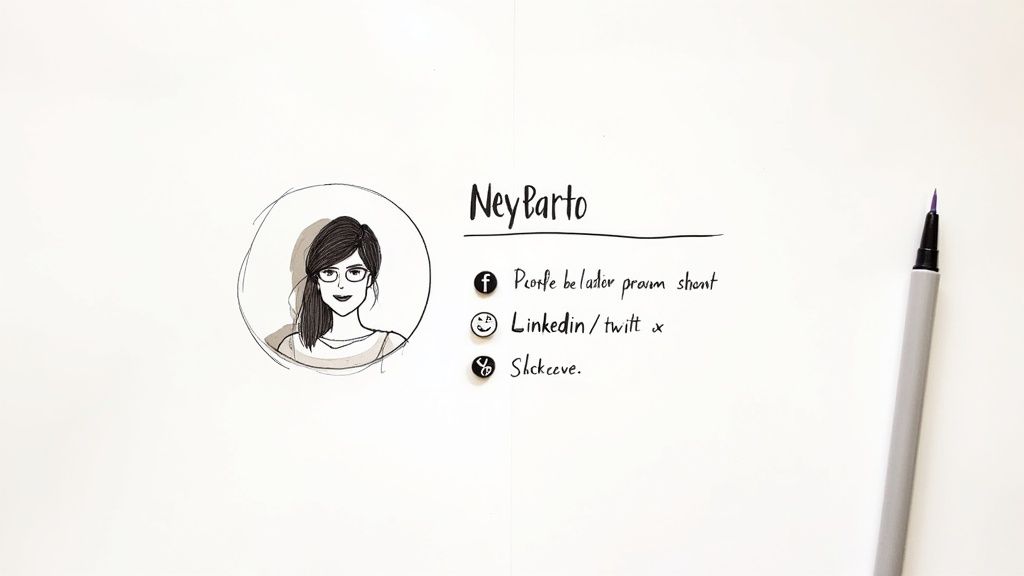
This approach goes beyond a static profile. It involves actively using digital platforms like LinkedIn, X (formerly Twitter), and niche Slack communities to build and nurture professional relationships. By engaging in industry conversations and sharing valuable content, you transform your profile from a simple listing into a hub of professional influence and connection.
A successful digital networking strategy requires consistent effort and strategic positioning.
Optimize Your LinkedIn Headline and Summary: Your headline is prime real estate. Instead of just your job title, use keywords that describe your value. For example, a tech executive might use "Transforming Businesses Through AI & Machine Learning," while a marketing professional could use "Growth Marketing | B2B SaaS | Revenue Generation." Use your summary to tell a compelling story about your professional journey and key achievements.
Engage Consistently: Visibility comes from activity. Aim to post original content sharing your insights 1-2 times per week on your primary platform. More importantly, comment thoughtfully on posts from others in your industry. Genuine, insightful comments build relationships far more effectively than generic "great post" responses.
Leverage Other Platforms: Identify where your target audience congregates. This could be in specific subreddits, industry-focused Slack groups like Product School, or conversations on X. Consistent, valuable contributions in these spaces establish you as a knowledgeable and approachable expert.
Key Insight: Your digital profile is not a static document. Treat it as a living extension of your professional brand, updating it every six months with new skills, projects, and accomplishments to ensure it accurately reflects your current expertise.
For a deeper dive into building your online presence, explore this guide on a modern B2B social media strategy that works.
While digital networking is essential, the value of face-to-face interaction at industry events remains unparalleled for building deep, meaningful connections. Attending conferences, trade shows, and meetups isn't just about collecting business cards; it's a strategic opportunity to immerse yourself in your industry's ecosystem, learn from top minds, and meet key decision-makers who are otherwise inaccessible.
These gatherings concentrate a high density of relevant contacts in one place, from potential clients and partners to mentors and future employers. A well-planned approach to events like HubSpot's INBOUND or AWS re:Invent transforms them from a passive learning experience into a powerful platform for professional growth and relationship-building, making it one of the most effective networking tips for professionals.
Success at industry events hinges on preparation and proactive engagement, not on chance encounters.
Pre-Event Research and Outreach: Two to three weeks before the event, study the speaker lineup and attendee list (if available). Identify 3-5 key individuals you want to meet, such as potential partners or industry leaders. Send them a brief, personalized message expressing your interest in their work and suggest a quick 15-minute coffee meeting at the venue.
Set Clear, Measurable Goals: Don't just "go to network." Set specific objectives like having "10 meaningful conversations," "connecting with three potential suppliers," or "learning about two emerging industry trends." This focus ensures you use your time effectively and directs your efforts toward tangible outcomes.
Execute a Post-Event Follow-Up System: The real networking begins after the conference ends. Within 48 hours of meeting someone, send a personalized follow-up email. Reference a specific topic you discussed to jog their memory and suggest a clear next step, such as scheduling a call for the following week. This swift action turns a brief encounter into a lasting professional relationship.
Key Insight: The most valuable networking at conferences often happens outside of the formal sessions. Arrive early, stay for the social mixers, and be open to conversations in hallways, coffee lines, and lunch tables. These unstructured moments are where genuine connections are often forged.
For a deeper understanding of how to turn these connections into tangible opportunities, explore this guide on how to build a predictable B2B lead generation system.
The most effective networking is rooted in the principle of reciprocity. Instead of approaching connections with an immediate "ask," focus on giving first. This approach, popularized by thought leaders like Adam Grant, shifts the dynamic from transactional to relational. By offering help, sharing knowledge, or making introductions without expectation, you build genuine trust and establish yourself as a valuable, generous member of your professional community.
This mindset transforms networking from a self-serving activity into a collaborative effort to lift everyone up. When you consistently provide value, people are not only more receptive to helping you when you eventually need it, they will actively look for ways to support you. This is one of the most powerful long-term networking tips for professionals because it builds a strong, loyal network organically.
Adopting a "give-first" mentality requires a proactive and thoughtful approach to your professional interactions.
Become an Information Hub: Actively listen to your contacts' goals and challenges. When you come across an article, a report, or a tool that could help them, share it. For example, if a contact mentions they are struggling with project management, you could send them a link to a helpful Asana tutorial or a Trello template.
Make Strategic Introductions: Think like a connector. If you know two people who could benefit from knowing each other, facilitate an introduction. Frame it with a clear "why," such as, "Jane, meet Mark. I thought of you both because Jane is looking to expand into the European market, and Mark has extensive experience launching products there."
Offer Your Expertise Freely: Share your knowledge without a paywall. This could be as simple as offering a 15-minute call to an early-career professional seeking advice, commenting with a detailed, helpful answer on a LinkedIn question, or writing thoughtful recommendations for deserving connections.
Key Insight: True influence isn't built by what you take; it's built by what you give. Consistently adding value to your network without keeping score is the fastest way to build social capital and become a go-to authority in your field.
To master the art of building influence through generosity, you can learn how to establish your authority with a value-first approach.
Moving beyond general online platforms, joining an industry-specific professional association provides a highly targeted and credible environment for networking. These organizations, like the American Marketing Association (AMA) or the Project Management Institute (PMI), gather ambitious professionals who are dedicated to their craft, creating a pre-vetted community for you to connect with. Membership signals a commitment to your field, instantly boosting your credibility.
This approach is about more than just adding a logo to your resume; it's about active participation. By engaging in committees, attending events, and volunteering, you move from being a passive member to a recognized contributor. This visibility builds trust and deeper relationships with influential peers, mentors, and potential clients who are already invested in your industry's success.
To maximize the value of your membership, you need a plan for active involvement from day one.
Be a Regular, Not a Stranger: Simply paying dues is not enough. Commit to attending your local chapter meetings regularly, ideally monthly. Consistent presence makes you a familiar face and shows your genuine interest in the community. This is one of the most effective networking tips for professionals looking to build local connections.
Volunteer for a Committee or Role: The fastest way to get to know the key players is to work alongside them. Within the first six months, seek out a volunteer role on a committee, such as membership, events, or communications. This provides structured interaction and demonstrates your work ethic to the group's leaders.
Share Your Expertise: Don't just absorb information; contribute to it. Propose a workshop or a short presentation on a topic where you have deep expertise. This positions you as an authority and gives fellow members a clear reason to connect with you about your specialized skills.
Key Insight: True networking value in a professional association comes from contribution, not just attendance. Focus on giving value to the community through volunteering and sharing knowledge. The connections you build will be a natural and powerful byproduct of your active involvement.
For a comprehensive list of organizations, you can explore directories like the Directory of Associations to find the right fit for your specific industry.
Effective networking isn't just about who you know; it's about who knows you and what they know you for. Building an authentic personal brand by consistently sharing your unique expertise is one of the most powerful networking tips for professionals today. This approach shifts the dynamic from actively seeking connections to naturally attracting them, as individuals are drawn to your knowledge and perspective.
This strategy involves more than just self-promotion. It’s about becoming a valuable resource within your industry. By creating and distributing content that helps, informs, or inspires your target audience, you establish credibility and build trust at scale. Think of it as opening a public dialogue about your work, inviting others to learn from your journey and engage with your ideas.
Building a personal brand is a marathon, not a sprint. It requires a consistent and genuine effort to share what you know.
Choose Your Core Platforms: Don't try to be everywhere at once. Select one or two platforms where your ideal professional network congregates. This could be LinkedIn for B2B professionals, X (formerly Twitter) for tech and media, or a niche blog for a specialized industry.
Create and Share Original Insights: Commit to a regular content schedule, such as one insightful post, article, or short video per week. Share your unique perspective on industry trends, lessons learned from a project, or a solution to a common problem. For example, a software developer could share code snippets and explain their process, while a sales leader could break down a successful negotiation tactic.
Embrace Authenticity: Your brand is most powerful when it’s real. Don't be afraid to share both your successes and your failures. Leaders like Brené Brown have built massive followings by focusing on vulnerability and authenticity, which creates a much deeper human connection than a polished, corporate-only facade.
Key Insight: The goal of content-driven networking is to give value freely. By consistently publishing your expertise, you build a reputation that makes people want to connect with you, turning outbound outreach into inbound opportunities.
In a world of fleeting digital interactions, the ability to engage in a genuine one-on-one conversation is a superpower. This networking tip for professionals focuses on moving beyond superficial small talk to create authentic connections. It’s about making the other person feel truly seen and heard, which builds a foundation of trust and mutual respect far stronger than a simple exchange of business cards.

This approach, championed by communication experts like Keith Ferrazzi, emphasizes quality over quantity. A single, memorable conversation can yield more long-term value than dozens of shallow interactions. By practicing active listening and asking thoughtful questions, you transform a transactional encounter into a relational one, leaving a lasting positive impression.
Creating meaningful connections requires intention, presence, and a genuine interest in the other person.
Practice Active Listening: Put your phone away and eliminate all distractions. Focus entirely on what the other person is saying, listening not just for words but for the underlying needs, goals, or emotions. This level of attention makes people feel valued and understood.
Ask Open-Ended, Follow-Up Questions: Instead of just nodding, ask questions that show you're engaged. For example, if someone mentions a challenging project, ask, "What was the most unexpected lesson you learned from that experience?" rather than just, "Was it hard?" This invites a deeper, more personal response.
Share Genuinely and Create a Two-Way Street: A great conversation is not an interrogation. Share something relevant about your own experiences or goals. This vulnerability builds rapport and makes the interaction feel balanced and authentic, encouraging the other person to open up as well.
Key Insight: The goal of a great networking conversation is not to close a deal, but to open a relationship. Focus on discovering a point of genuine connection, whether it's a shared professional challenge, a mutual interest, or a common goal. This is the seed from which strong professional alliances grow.
Effective networking isn't about collecting business cards; it's about nurturing relationships. To do this at scale, you need a system. A professional network database, whether a simple spreadsheet or a sophisticated CRM, moves you from random, reactive interactions to a proactive and strategic approach. It acts as your personal intelligence hub, allowing you to track conversations, remember important details, and identify opportunities for meaningful engagement.
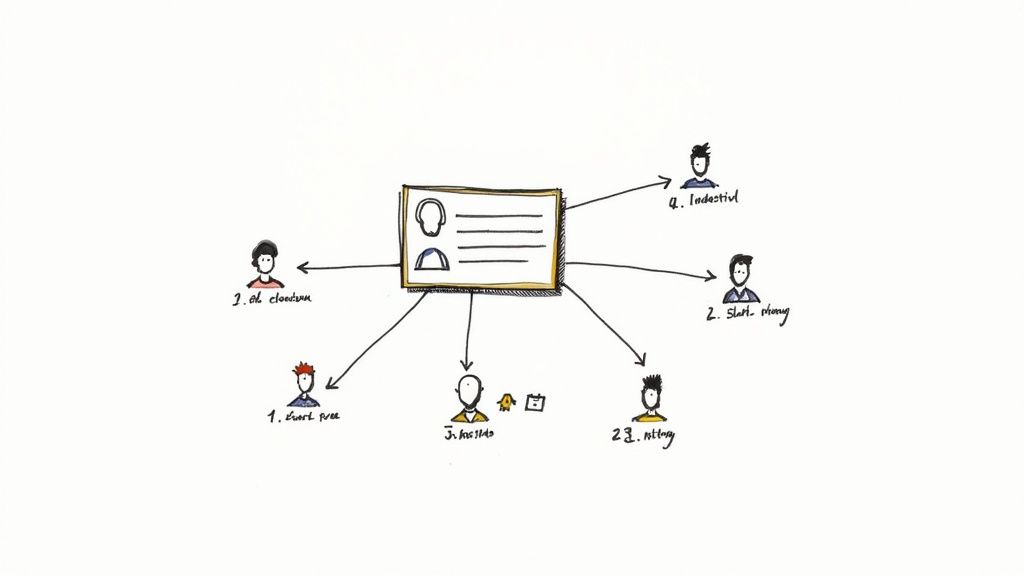
This approach transforms networking from a memory game into a structured business process. By systematically organizing information, you ensure that no valuable connection falls through the cracks. It empowers you to follow up with context, provide value at the right time, and ultimately build a stronger, more resilient professional circle. This is one of the most impactful networking tips for professionals who want to build long-term, mutually beneficial relationships.
Building a functional database requires discipline and a clear process.
Choose Your Tool and Log Promptly: Start with a tool that fits your needs, like a simple Google Sheet, Airtable, or a dedicated CRM like HubSpot or Clay. The key is consistency. Make it a habit to add every new contact within 24 hours of meeting them, while the details are still fresh in your mind.
Capture Meaningful Data: Go beyond just name, title, and company. Note down key conversation points, personal details they shared (like hobbies or family), their professional challenges, and where you met. This context is what turns a cold follow-up into a warm, personal reconnection.
Systemize Your Outreach: Use your database to schedule your nurturing activities. Set reminders to reconnect with high-priority contacts every 3-6 months. Tag contacts by industry, expertise, or location to easily find people when you need an introduction or advice. This systematic approach ensures you stay top-of-mind without being intrusive.
Key Insight: Your network database is a strategic asset. Schedule a quarterly review to identify your top 50 relationships, analyze gaps in your network (e.g., "I don't know anyone in FinTech"), and spot opportunities to connect two people who could benefit from meeting each other.
The most valuable connections are often solidified not during the initial meeting, but in the thoughtful actions that come after. A strategic and consistent follow-up process is what separates a fleeting exchange from a lasting professional relationship. This system transforms a stack of business cards or a new LinkedIn connection into a tangible asset for your career or business.
This approach moves beyond a single, generic "nice to meet you" email. It involves a multi-touchpoint strategy that provides value over time, keeping you top-of-mind without being intrusive. Whether it's after a conference or a virtual coffee chat, a well-executed follow-up demonstrates your professionalism, attention to detail, and genuine interest in building a mutually beneficial connection.
A successful follow-up system is timely, personalized, and value-driven.
Act Within 24-48 Hours: The golden rule of networking is to follow up while the conversation is still fresh. Send a personalized email or LinkedIn message referencing a specific detail you discussed. For example, mention a book they recommended or a project they were excited about to show you were actively listening.
Provide Immediate Value: Don't just ask for something. Offer value first. This could be a relevant article, an introduction to someone in your network who could help them, or a tool you think they’d find useful. This positions you as a helpful resource rather than just another contact.
Systematize Your Nurturing Process: Create a simple system to manage your connections. After your initial follow-up, set a calendar reminder to check in again in 2-4 weeks with another piece of value. Plan for longer-term touchpoints at the 3-month and 6-month marks to maintain the relationship. To ensure your follow-ups are effective, you'll often need direct contact information. You can streamline the process of finding contact information on LinkedIn with the right tools.
Key Insight: The goal of a follow-up is not to make an immediate sale or ask for a favor. The primary objective is to build trust and rapport by demonstrating your value and reliability over time. Treat each follow-up as an opportunity to reinforce the connection.
True networking transcends transactional exchanges; it evolves into deep, supportive relationships. One of the most powerful networking tips for professionals is to actively engage in mentorship, both as a mentor and a mentee. This dual role creates a virtuous cycle of learning, guidance, and authentic connection that builds a resilient and deeply rooted professional network.
Engaging in mentorship positions you as both a dedicated learner and a trusted leader. By seeking guidance from seasoned experts and offering it to emerging talent, you build relationships based on mutual growth and shared success. These connections are far more robust than those formed at a typical networking event, often leading to lifelong advocacy and career-defining opportunities.
A successful mentorship strategy is built on intention, structure, and genuine reciprocity.
Be a Proactive Mentee: Identify 2-3 professionals whose career paths or expertise you admire. When you reach out, be specific. Instead of a vague "Can you be my mentor?" ask, "I'm working to develop my skills in product marketing and saw your success with [Specific Project]. Would you be open to a 20-minute call to share your insights on that experience?" This respects their time and shows you've done your homework.
Become an Authentic Mentor: You don't need to be a C-suite executive to mentor someone. Offer guidance to junior colleagues or new professionals in your field. This not only helps them but also solidifies your own knowledge and establishes you as a leader. For example, a senior engineer can mentor a junior developer on navigating the company's codebase and culture.
Structure the Relationship: Once a mentorship is established, propose a regular cadence, such as a monthly or quarterly check-in. Prepare for these meetings with specific questions, challenges you're facing, and updates on progress made from previous advice. This structure ensures both parties get maximum value from the time invested.
Key Insight: The most effective mentor-mentee relationships are reciprocal. While you receive guidance, always look for ways to provide value back to your mentor. This could be sharing a relevant article, offering a fresh perspective on a problem, or making an introduction they might find useful.
The most effective networking tips for professionals often counter conventional wisdom. Instead of aiming for a massive rolodex of contacts, shift your focus to cultivating a smaller, more meaningful circle of high-quality relationships. This approach, advocated by thinkers like Cal Newport and Keith Ferrazzi, emphasizes depth and reciprocity over sheer volume, turning connections into genuine allies.
This strategy involves moving away from the transactional "what can you do for me?" mindset. By deliberately investing your time in a select group of people who align with your goals and values, you build a powerful, supportive ecosystem. An executive coach might focus on deep relationships with 20 key clients, while an entrepreneur could build a tight advisory board of 5-7 trusted experts. It's about strategic cultivation, not just collection.
Adopting a quality-over-quantity approach requires discipline and clear intention.
Define Your Ideal Connections: Identify 3-5 key personas that can significantly impact your professional journey. This could include potential mentors, industry peers for mastermind groups, or strategic partners. Be specific about the roles and expertise you seek.
Curate a Target List: Based on your defined personas, create a focused list of 10-20 individuals you want to build a relationship with. Research them to understand their work, challenges, and interests so you can approach them with a genuine value proposition.
Map Your Mutual Value: For each person on your list, ask two questions: "How can they help me?" and, more importantly, "How can I help them?" Your initial outreach and follow-up should be centered on providing value first, whether it's through a relevant introduction, a useful resource, or insightful feedback.
Invest Disproportionate Time: Dedicate the majority of your networking energy to nurturing these key relationships. This means consistent, personalized follow-ups, regular check-ins, and finding opportunities to collaborate.
Key Insight: The true measure of your network's strength isn't its size, but the depth of trust and mutual support within it. Prioritize metrics like the quality of conversations and acts of mutual helpfulness over the number of contacts you have.
The journey from a novice networker to a master connector is not about collecting business cards or amassing thousands of superficial LinkedIn connections. As we've explored through these ten comprehensive strategies, authentic networking is the art of building a dynamic, supportive, and value-driven professional ecosystem. It's a fundamental shift in perspective from "What can I get?" to "How can I contribute?" This change is the catalyst that transforms simple contacts into a powerful community and lays the groundwork for a lasting professional legacy.
We've covered a wide spectrum of actionable advice, from the foundational digital presence on LinkedIn to the nuanced art of in-person conversations. Each of the networking tips for professionals shared in this guide serves as a building block. They are not isolated tactics but interconnected components of a holistic strategy.
Let’s recap the core pillars of this approach:
Mastering these areas ensures you are not just meeting people, but building relationships that are deep, resilient, and mutually beneficial. You become known not just for what you do, but for who you are and the value you bring to your community.
Reading a list of networking tips for professionals is the easy part; the real transformation lies in consistent implementation. The sheer volume of advice can feel overwhelming, but progress begins with a single, deliberate step. Instead of trying to master all ten strategies overnight, commit to a focused approach.
Here are your immediate next steps to turn insight into action:
This disciplined, incremental method prevents burnout and ensures that these practices become ingrained habits rather than temporary efforts. Each small win builds confidence and compounds over time, transforming your professional landscape one authentic connection at a time. The ultimate goal is to build a network that not only supports your career growth but also enriches your professional life with meaningful collaboration, shared knowledge, and genuine support. You are not just building a network; you are architecting your legacy.
Ready to establish the authority that makes networking effortless? Legacy Builder specializes in creating the high-value content that positions you as an industry leader, attracting inbound opportunities and making you the person others seek out. Stop chasing connections and start building your legacy by visiting Legacy Builder to see how we can amplify your personal brand.


You could – but most in-house teams struggle with the nuance of growing on specific platforms.
We partner with in-house teams all the time to help them grow on X, LI, and Email.
Consider us the special forces unit you call in to get the job done without anyone knowing (for a fraction of what you would pay).
Short answer – yes.
Long answer – yes because of our process.
We start with an in-depth interview that gives us the opportunity to learn more about you, your stories, and your vision.
We take that and craft your content then we ship it to you. You are then able to give us the final sign-off (and any adjustments to nail it 100%) before we schedule for posting.
No problem.
We have helped clients for years or for just a season.
All the content we create is yours and yours alone.
If you want to take it over or work on transitioning we will help ensure you are set up for success.
We want this to be a living breathing brand. We will give you best practices for posting and make sure you are set up to win – so post away.
Subscribe to our newsletter and get insights on how to grow your personal brand.
